
Contents
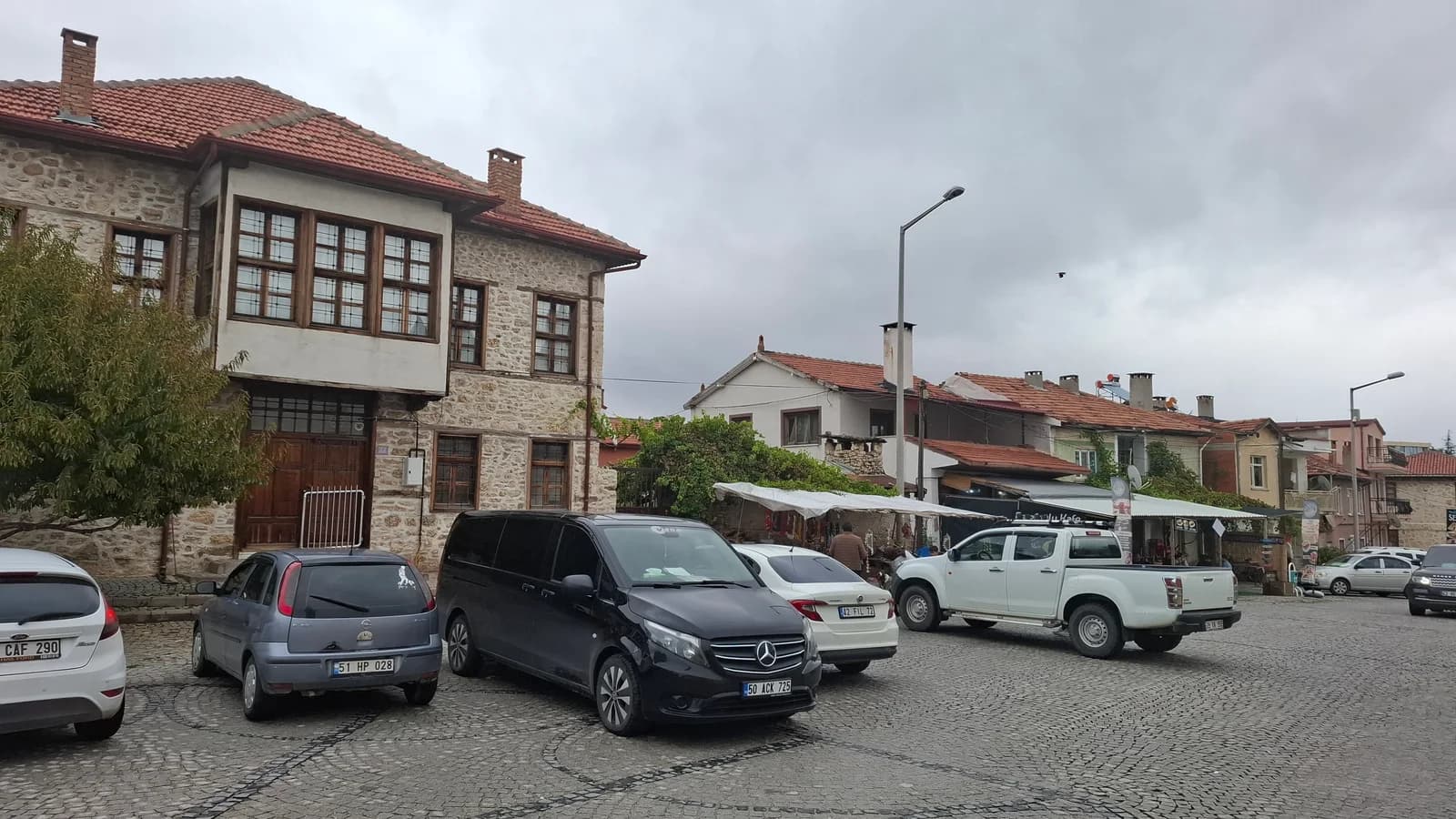
Setting and name
The town stands beside Lake Beyşehir, where routes between the Konya plain and the southwestern uplands meet. Its urban history is distinct from the much older archaeology of the basin. Medieval sources record forms including Süleymanşehir, Begşehir and Beyşehri; the name Beyşehir is associated with Eşrefoğlu Süleyman Bey and the town’s late thirteenth-century development.[1]
Studies of the town distinguish İçerişehir around the Eşrefoğlu complex from Dışarışehir around Hacı Armağanşah’s mosque. This pattern helps explain why a visitor encounters both a monumental medieval core and later neighbourhoods beyond it.[1][2]
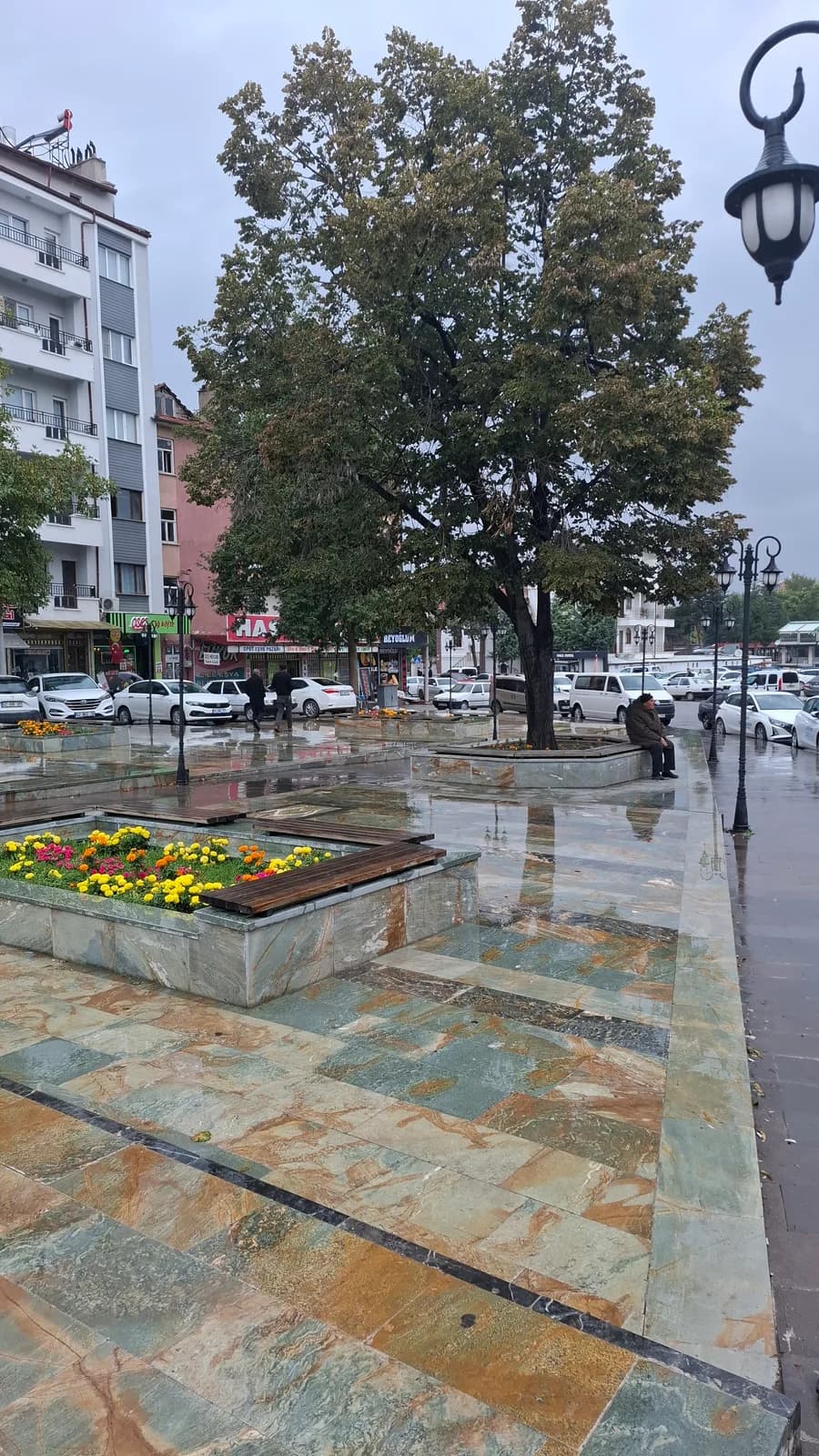
An evolving centre
Beyşehir was the capital of the Eşrefoğulları and later an Ottoman sancak centre. Fiscal and population records show that the town and its surrounding settlements changed considerably between the sixteenth and nineteenth centuries. Its role in lake transport, agriculture and regional trade connected the urban centre to villages and islands.[1][3]
The early twentieth-century regulator bridge joined a crossing to a water-control project. Modern Beyşehir also contains the history of migration, schooling and industry; its built heritage should be read alongside those social histories.[4][5]
Inside and outside the walls
The medieval nucleus took shape around the Eşrefoğlu Mosque and its market, bath and tomb. TDV contrasts İçerişehir with Dışarışehir, the quarter linked to Hacı Armağanşah’s mosque. The names describe parts of a growing town rather than two separate ancient cities. Fortification traces and the foundation buildings show how worship, exchange and defence met in this neighbourhood.[1][2]
The town’s later quarters appear in Ottoman records, while the surrounding kaza included villages and lake islands. A register of town households and an account of the entire district thus describe different populations. Population evidence is best read with that distinction and the changing administrative boundaries in mind.[1][6]
Roads, water and neighbouring districts
Hasan Bahar’s study of historical roads places Beyşehir between routes toward Konya, Seydişehir and the mountain passes. The lake offered resources and movement of its own; its islands were inhabited or worked in different periods. The town cannot be understood only from the buildings around its market square.[7][3]
A twentieth-century town
The regulator bridge, new civic institutions and schools altered everyday Beyşehir in the twentieth century. The short-lived Beyşehir’in Sesi gave students and local contributors a printed forum in 1963. These histories of public works and public life belong beside the much older mosque in an account of the town.[4][8][9]
References
- 1M. Akif Erdoğru · Beyşehir - TDV İslâm Ansiklopedisi · Türkiye Diyanet Vakfı İslâm Ansiklopedisi · 1992
- 2Hüseyin Muşmal · Beyşehir Kenti’nin Oluşumu ve Gelişimi Üzerine Bazı Değerlendirmeler · Palet Yayınları / Prof. Dr. Bayram Ürekli’ye Armağan · 2023
- 3Berna Burcu Üçüncü, Hüseyin Muşmal · Tarihî Süreçte Beyşehir Gölü ve Adalarında Hayat · Palet Yayınları · 2014
- 4Hüseyin Muşmal · Beyşehir Regülâtörü (Taş Köprü) · Tarih Okulu Dergisi (TOD) · 2015
- 5Hüseyin Muşmal; Mustafa Çetinaslan · Beyşehir İlçe Merkezindeki Çeçen-İnguş Muhacirlerine Ait Mezar Taşları · Tarih Okulu Dergisi (TOD) · 2013
- 6Barış Taş, İlker Yiğit · Tanzimat’tan Cumhuriyet’e Beyşehir Kazası’nda Nüfus · Atatürk Araştırma Merkezi Dergisi
- 7Hüseyin Muşmal (ed.) · Beyşehir Araştırmaları: Tarih, Kültür, Sanat, Turizm, Sanayi ve Ticaret Şehri Beyşehir · Palet Yayınları · 2021 · Hasan Bahar, “Beyşehir’de Tarih Boyunca Ulaşım ve Yol Ağları,” pp. 13–44
- 8Hüseyin Muşmal · Konya'da Talebelerin Çıkardığı Bir Yerel Gazete: Beyşehir'in Sesi Gazetesi · Anadolu Mecmuası 3/7, pp. 1–12 · 2024 · p. 2
- 9Hüseyin Muşmal (ed.) · Beyşehir Araştırmaları: Tarih, Kültür, Sanat, Turizm, Sanayi ve Ticaret Şehri Beyşehir · Palet Yayınları · 2021 · Mehmet Karayaman, “Beyşehir’de Kurum ve Kuruluşlar (1923–1960),” pp. 415–448