
Contents
Political role
Süleyman Bey rose in the political upheavals of the late thirteenth century and established authority around Beyşehir and Seydişehir. TDV identifies him as the founder and first ruler of the Eşrefoğulları; the city’s name and rebuilding are closely connected with his rule.[1][2]
His authority was exercised amid Seljuk, Karamanid and Mongol-Ilkhanid competition. This context explains why political allegiance could change without the local importance of Beyşehir disappearing.[1]
Buildings and endowment
Süleyman Bey commissioned Eşrefoğlu Mosque, completed in 1296–99 according to UNESCO, and the foundation documents show how income was assigned to its upkeep. The mosque, endowment and urban complex are more durable evidence of his programme than later anecdotes alone.[3][4]
The TDV account of the dynasty gives his death as 1302. Later members of the dynasty continued to rule until the upheavals of 1326, so his life and the beylik’s end should not be assigned the same date.[1]
Coins, markets and urban authority
The dynasty's TDV history records silver coins struck in Beyşehir in 1297–98 in the name of Seljuk Sultan Mesud II and, two years later, in that of Keykubad III. Those coins place Süleyman Bey within a world where a local ruler could build his own centre while still expressing allegiance through a sovereign's name. They are material political evidence, alongside the town's later name and the surviving buildings; none should be treated as a complete written constitution of the beylik.[5]
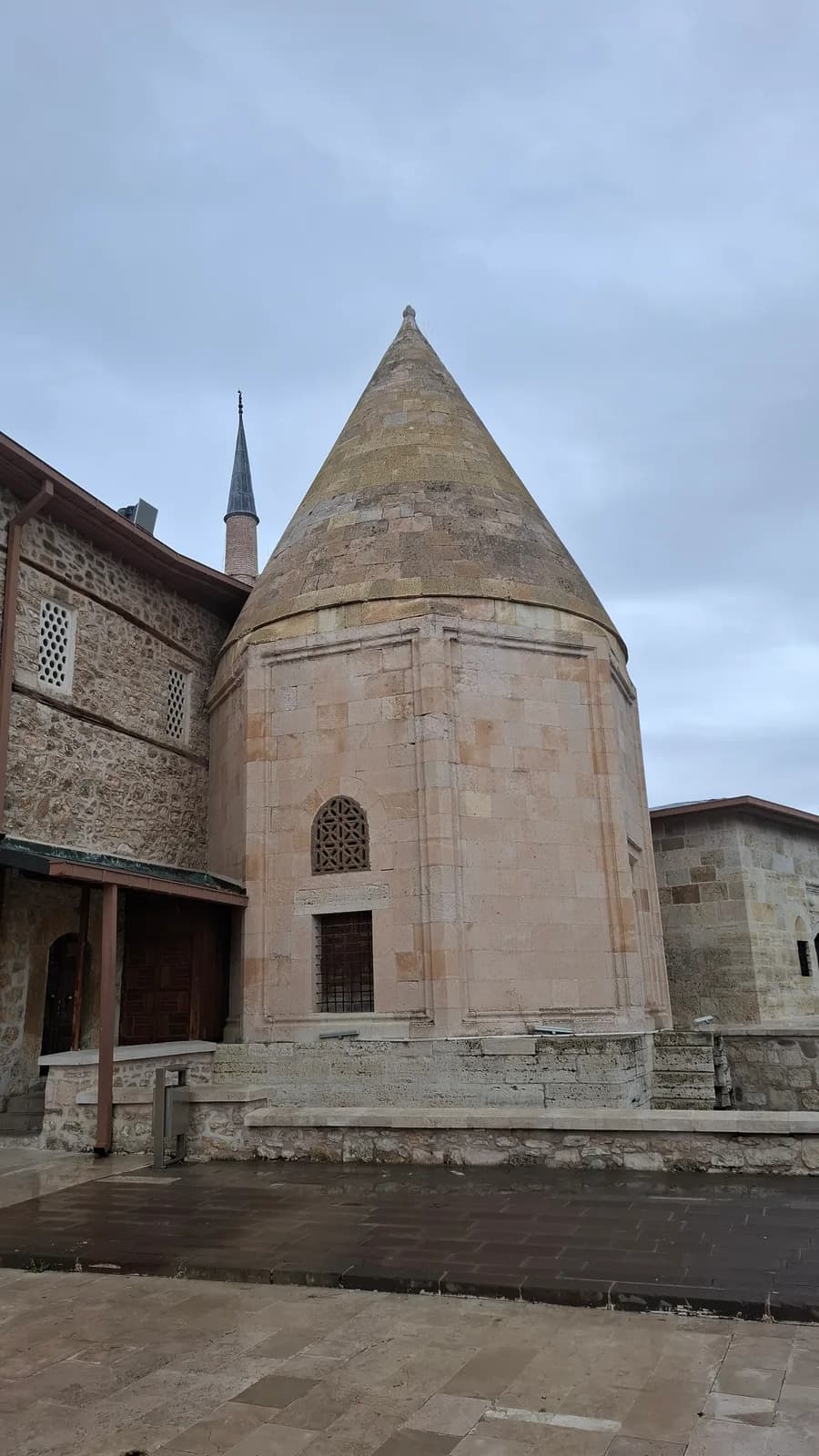
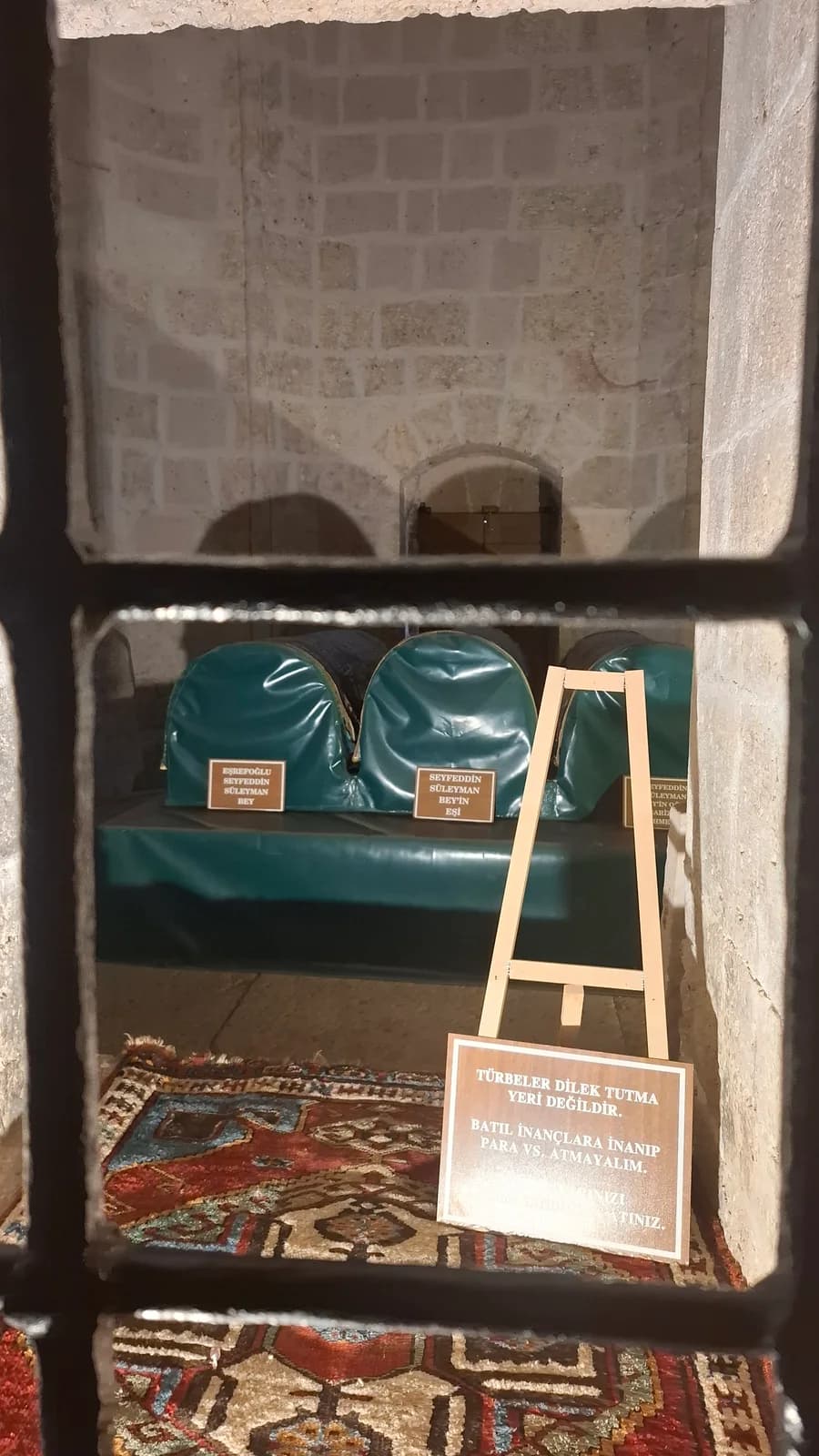
Kofoğlu's account names a mosque, bath, bedesten, han, soup kitchen and tomb in Süleyman's building programme. It reports that the endowment included shops, a large bath and two mills whose income supported the mosque, with a defined share for his descendants serving its foundation. This arrangement tied worship to commerce and family stewardship. It also explains why the complex is an urban institution rather than an isolated monument. Süleyman died in August 1302 and was buried beside the mosque; the ruler killed in 1326 was his later namesake.[6][7]
References
- 1Sait Kofoğlu · Eşrefoğulları · TDV İslâm Ansiklopedisi · 1995
- 2M. Akif Erdoğru · Beyşehir - TDV İslâm Ansiklopedisi · Türkiye Diyanet Vakfı İslâm Ansiklopedisi · 1992
- 3UNESCO World Heritage Centre · Wooden Hypostyle Mosques of Medieval Anatolia · UNESCO · 2023
- 4M. Akif Erdoğru · Eşrefoğlu Seyfeddin Süleyman Bey Camiinin Vakıfları · Tarih İncelemeleri Dergisi 6/1, pp. 91–108 · 1991
- 5Sait Kofoğlu · Eşrefoğulları · TDV İslâm Ansiklopedisi · 1995 · coinage of Seyfeddin Süleyman Bey
- 6Sait Kofoğlu · Eşrefoğulları · TDV İslâm Ansiklopedisi · 1995 · buildings, endowment and death passages
- 7Sait Kofoğlu · Eşrefoğulları · TDV İslâm Ansiklopedisi · 1995 · foundation deed, property and income