A closer look
Lake Beyşehir's islands have distinct histories and terrain. Accounts describe settlements and livelihoods on some, and coves, caves or surviving buildings on others. Check the island name when reading about a feature that may be hard to distinguish from shore.
The municipal guide identifies Mada with an inhabited island landscape. Research on the lake’s history adds changes over time to that description. It does not follow that residents form a timeless, isolated community. Connections with the mainland and changes in livelihood deserve investigation instead of being replaced by a romantic image of an unchanging fishing village.
Details and connections
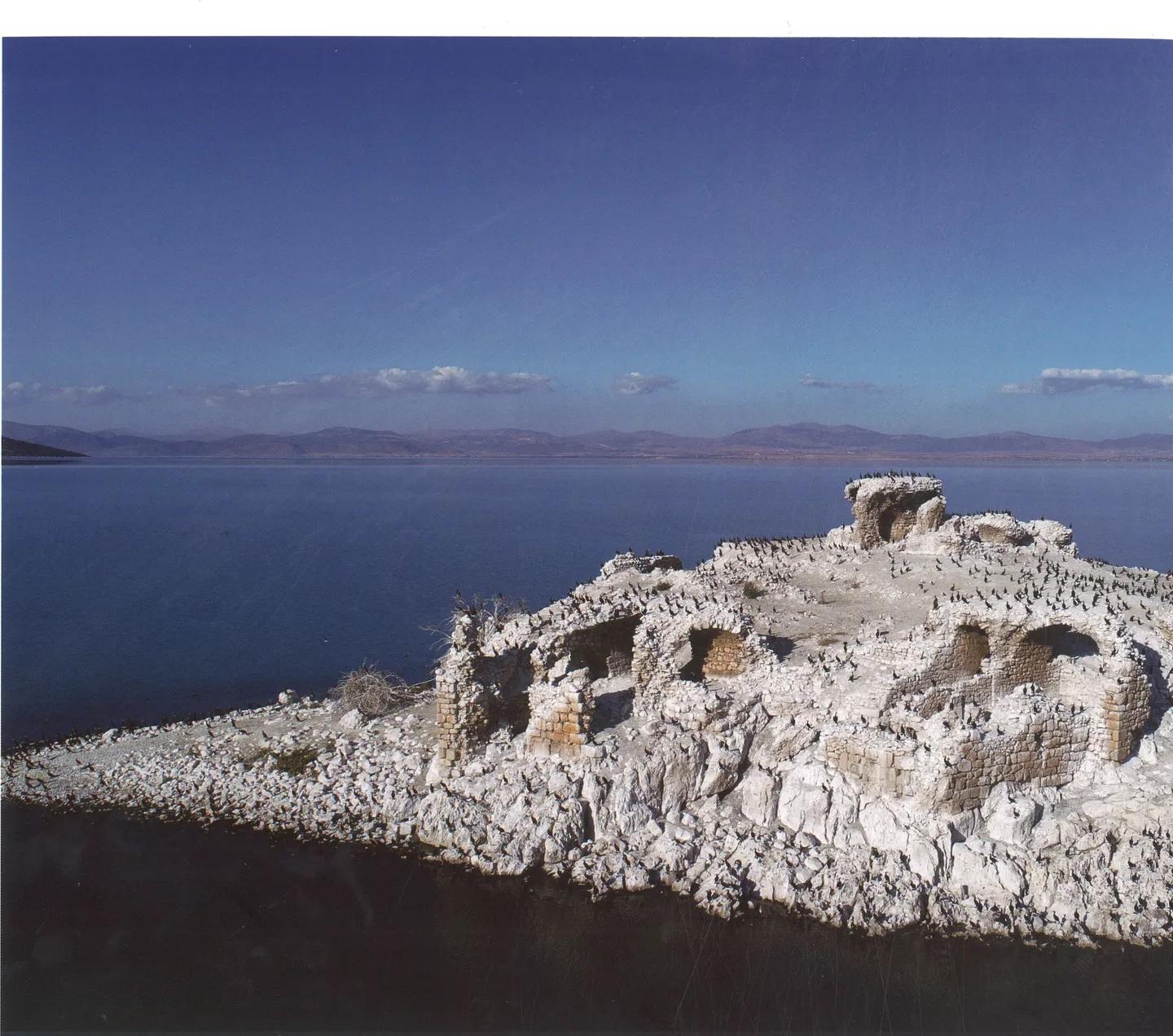
Kız Kalesi raises different questions because building remains are central to its description. A distant view, a publication image and an archaeological account provide different evidence. Ruins establish the presence of structures; appearance alone cannot identify every occupant or prove a colourful story about royal life. Likewise, a cave or cove described on one island should not be borrowed to illustrate another.
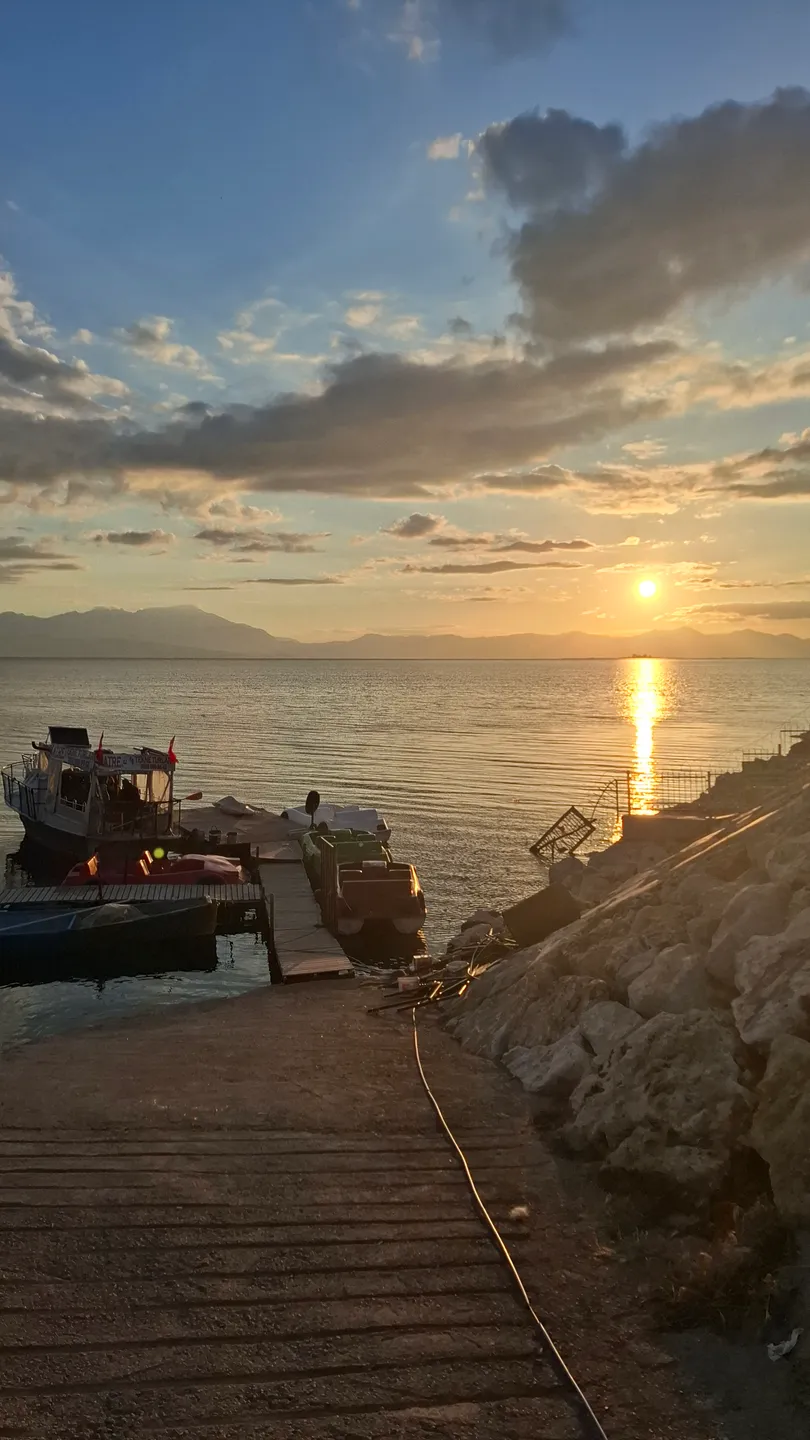
Island remains are identified separately from general lake panoramas. Check boat availability, landing permission and weather for the outing you want. Use the map for geographical context; it is not a sailing track. Looking from shore also shows how islands relate to the mainland.
Reading the wider setting
Compare an island's outline with the mainland, distant ridges and bays. A simple sketch can distinguish it from an overlapping foreground shore before you look for buildings.
The name of a place is another useful anchor. Keep the name used by your source or local host alongside any alternative spelling. A description of a cave, a settlement or a ruin becomes much more useful when the exact island remains clear. Avoid collecting attractive details into a single imaginary island.
Continue your visit
An inhabited island should be approached as a community as well as a destination. When a visit is possible, ask where visitors may walk and photograph, and allow everyday work to continue around you. A landing point does not make gardens, homes or working spaces public attractions.
Lake life returns to the shore, Palace tiles covers Kubad-Abad's lakeside buildings, and Yeşildağ's storks and horses describes seasonal life around the margins. Use each place's own name and account, including when you explore from land.