
A landscape for patient looking
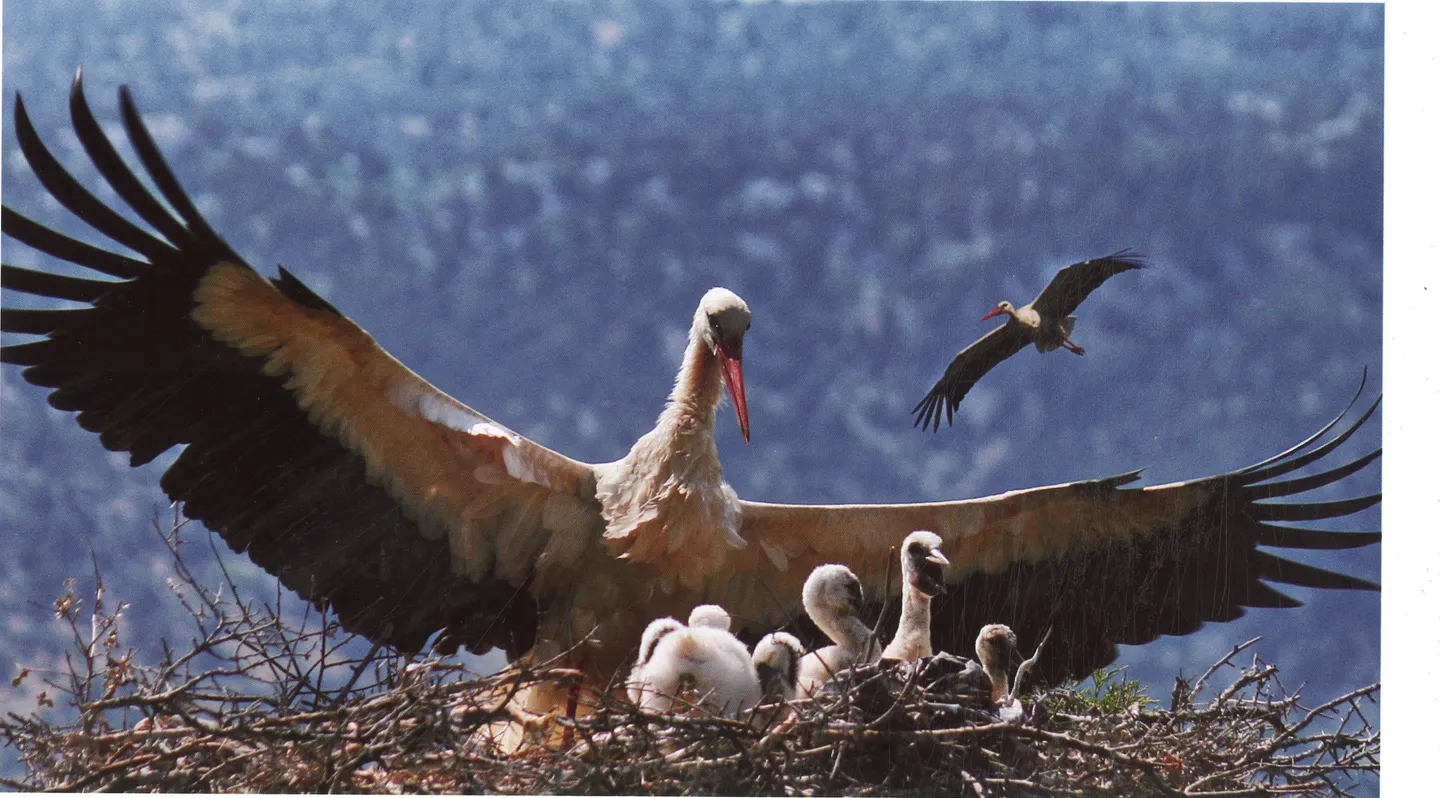
Yeşildağ asks you to change the scale of a lake visit. In central Beyşehir, water is a wide horizon beyond the waterfront; here, attention can settle on a tree, the outline of a nest or a bird crossing a field. The interest lies in those relationships. A stork landscape makes sense when its nesting places, surrounding countryside and the people who use that countryside remain in the same picture.
Leylekler Vadisi lies by Yeşildağ, a lakeside settlement that the municipality places about 30 kilometres from Beyşehir. The municipal guide distinguishes its colony from Adaköy, where another nesting area is known as Leylekler Tepesi. These names matter when planning a visit: two nearby communities share the wider stork landscape, but a photograph or meeting point for one should not become directions to the other.
Watching the nesting landscape
The distinctive nesting trees are junipers. A field account published by Konya's agriculture directorate describes nests among the trees of Yeşildağ's burial grounds and records local efforts to support nesting. This gives the scene a particular character: the birds occupy a place that also holds human memory. Observe quietly from permitted ground, with the same respect for graves and visitors that you would bring to any cemetery.
The colony follows a seasonal rhythm rather than a visitor timetable. The official field account recalls arriving on an August day after the birds had already left. A separate report published by the Presidency's communications directorate documents returning birds encountering snow in March 2025. These dated moments show the colony’s seasonal setting. Ask locally about bird activity before travelling, dress for the day’s weather and leave time to observe the surrounding trees and fields as well as the nests.
Horses in the wider countryside
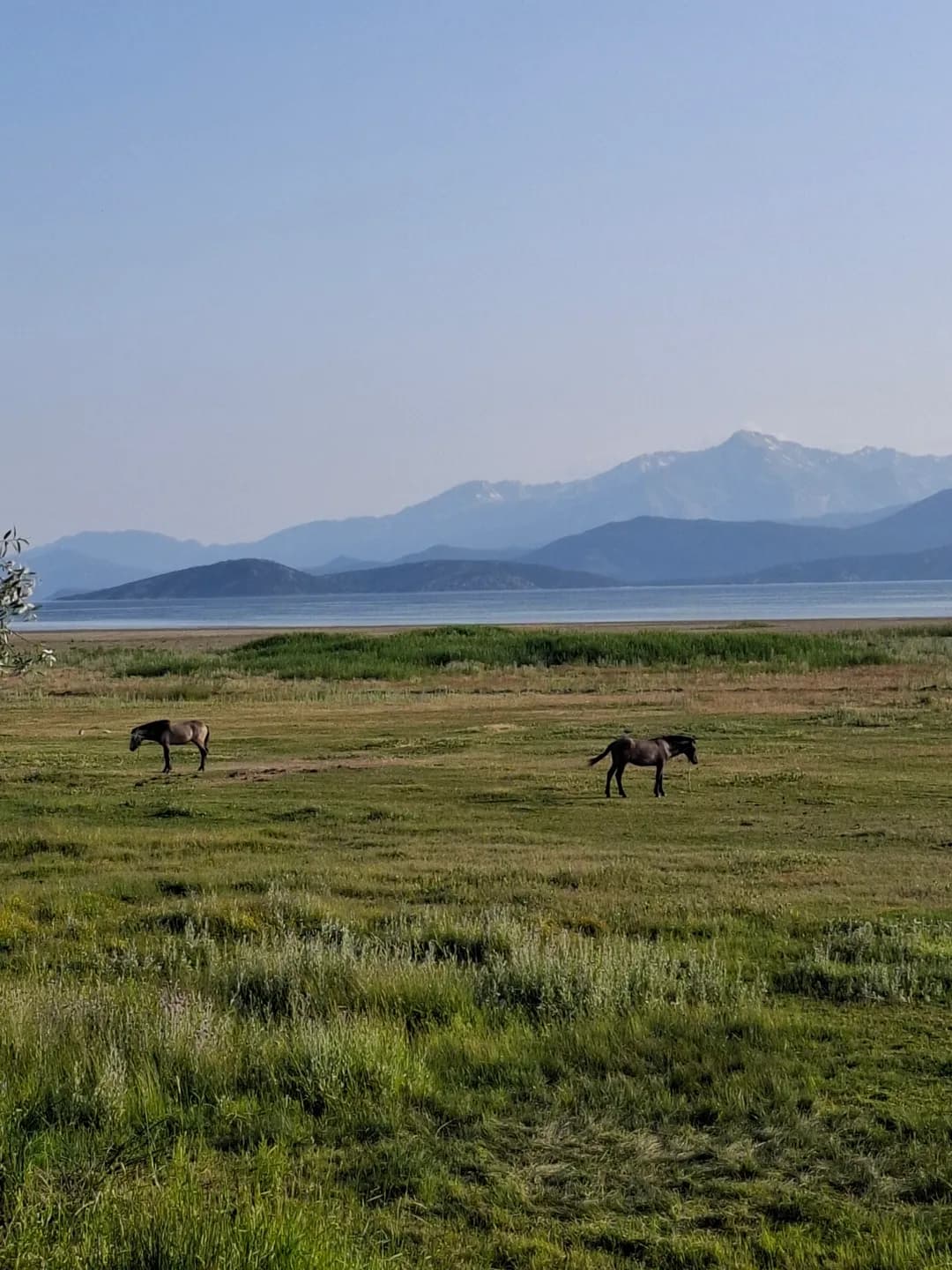
The horse photographs introduce another encounter in the wider lake landscape: animals grazing beside the water when the pictures were taken. Read the views as dated observations of countryside life. Look at the relationship between open ground, the herd and the shoreline, and note the place and season of each image. This wider setting complements the stork colony’s trees and nests.
If horses are present, allow them space to choose their own movement. Watch from an existing public position, keep a clear route past them and leave gates as you found them. Do not offer food or approach to arrange a photograph. An image of an animal beside water can be striking without requiring a close encounter, and farmland continues to be someone's working environment even when it looks wonderfully open.
Photographing more than an animal
Yeşildağ also belongs to a working lake economy. The agriculture directorate's account describes farming, livestock keeping and fishing in the settlement. Fields and grazing animals therefore deserve attention alongside nests: they are part of the place's daily life. Look at how cultivated ground, trees and water meet, and how the mountain backdrop gives scale to activities that might be missed in a photograph framed only around a bird.
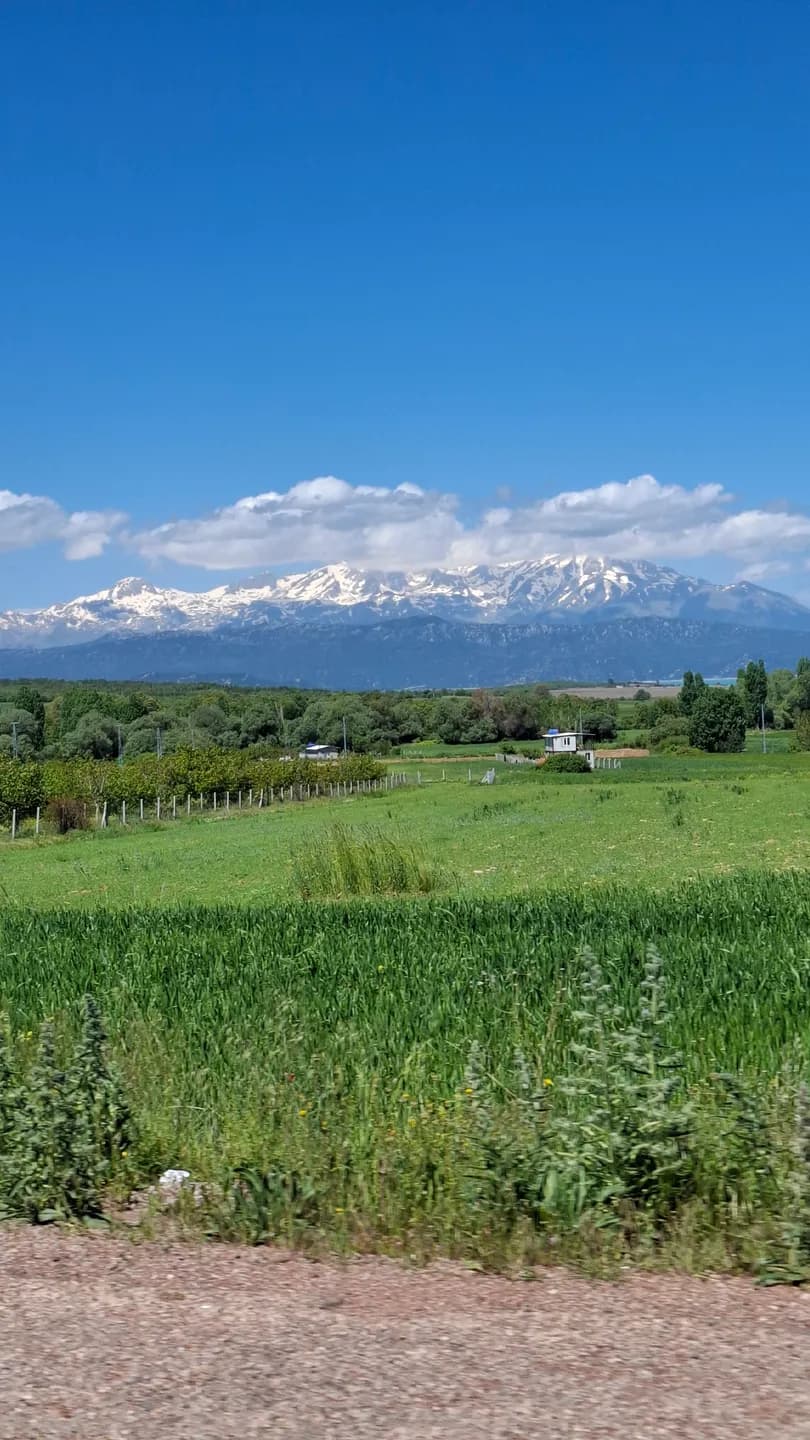
The Anamas foothill setting connects the colony with the wooded country beyond the shore. GoKonya's İslibucak guide describes approaches through the Yeşildağ area towards Dumanlı and Kurucuova. That is a useful geographical connection for a longer visit: the stork landscape, village approaches and forest country can be read together, while each outing keeps its own travel plan and current access information.
A well-planned visit
An enjoyable visit can be organised around a modest aim: one quiet viewpoint, time to watch, and a return point agreed before you set out. Plan travel from town separately from the short time spent on foot. Arrange transport from Beyşehir to Leylekler Vadisi, then choose a permitted public viewpoint for your time on foot. The atlas locates the area; local signs and access arrangements guide your approach.
Bring water, sun protection and a way to keep your notes available without a connection. If you are travelling with children, give them something to notice rather than something to chase: count different shapes of nests, sketch a tree or compare the sounds of the shore with those of town. Avoid sharing precise sensitive nest positions as an invitation for others to approach more closely.
Keep looking, keep reading
Keep a small field diary with the date, weather, general viewpoint and what you observed. Separate identification from uncertainty: 'a large bird flying towards the lake' is a useful observation even if you cannot name the species. A second visit then becomes a comparison of conditions and behaviour. A day with no horses or active nests can still add a valuable page to that record.
Continue with Lake life to connect these rural edges with settlement and livelihoods, and Island communities for a different relationship between people and water. The Photography and birdwatching guide brings the lake, bridge and nesting landscape into a broader visual itinerary. Read those places as connected subjects, then plan the journeys between them using current local access information.