
About this source
Vadideki Hayat 1–2
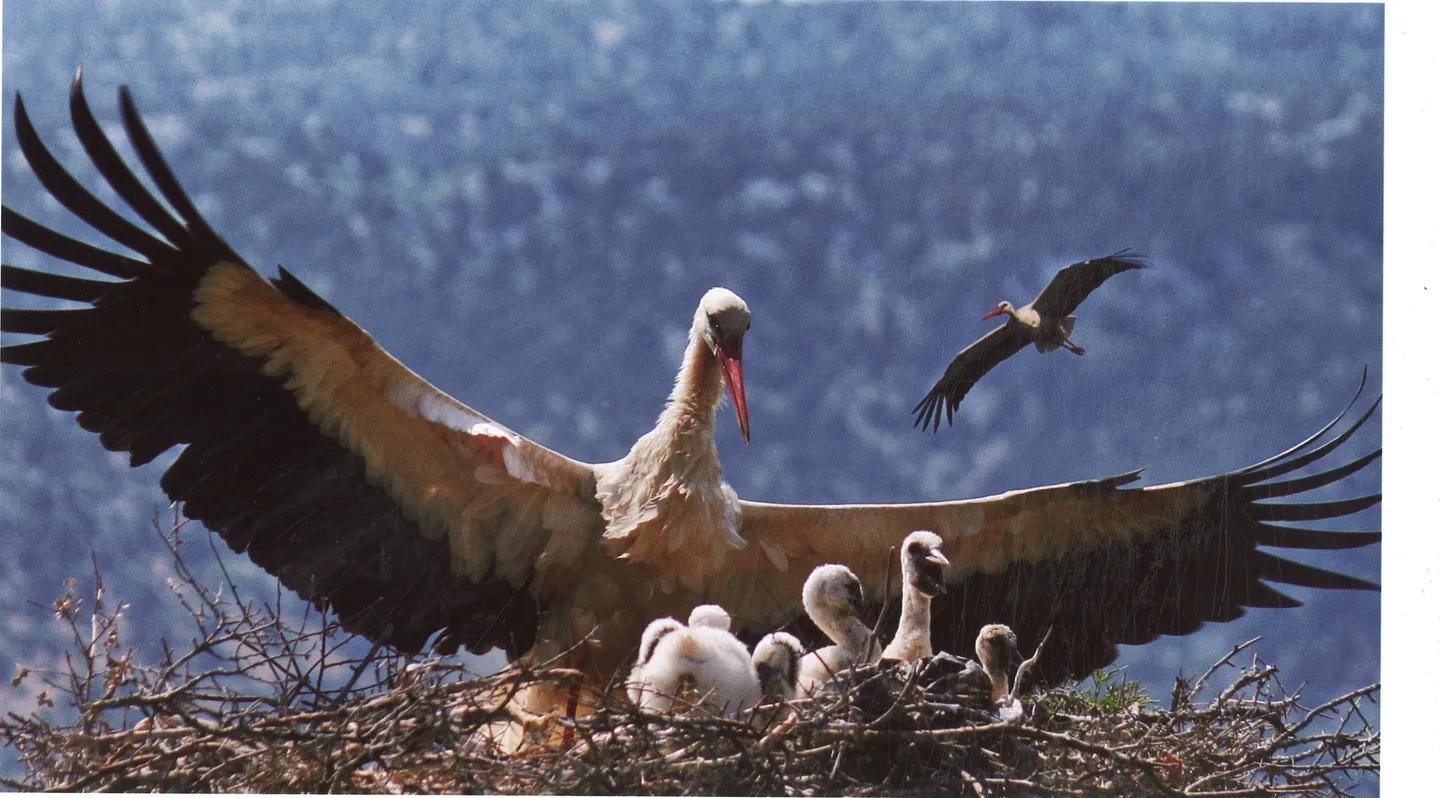
M. Yavuz Çolak / Konya İl Tarım ve Orman Müdürlüğü · M. Yavuz Çolak / Konya İl Tarım ve Orman Müdürlüğü
Read the place guides and stories that use this source.
Uses your device’s voice.
Dumanlı, İslibucak and Kurucuova
Plan a forest walk via Dumanlı or Kurucuova.
İslibucak lies in the forested countryside beyond Lake Beyşehir's waterfront. GoKonya describes approaches through Yeşildağ from Dumanlı and Kurucuova. Find these settlements and roads on the map before choosing where to walk.
The guide recommends the Dumanlı approach for woodland views and çantı houses. Notice how the houses sit within the landscape from public ground. Ask before entering a yard or photographing residents.
As you leave the lakeshore, the open horizon gives way to shorter views between trees. Compare the woodland's colours, surfaces and sounds with the shore. The road and nearby ground become more prominent as distant views disappear.
Choose a detail to follow along the walk, such as the boundary between forest and cultivated land, a road's turns or the changing shade. Repeated observations help you distinguish places that might otherwise blur together. A note or simple sketch can work as well as a photograph.
Plan the walk separately from the drive. With a local guide, choose the path and check its surface, difficulty and permitted access. Agree on a start, return point and turnaround time using current local information. Allow enough time and daylight for the return.
Check the day's conditions and current forest access before setting out. Carry water and an offline copy of your plan. Follow existing permitted paths, leave gates as found and keep working entrances clear when you stop.
Read Yeşildağ's storks and horses for the settled landscape nearer the lake. Anamas and Karagöl covers high mountain terrain, which needs a separate plan. Their geographical proximity does not make a forest walk suitable preparation for a mountain hike.
Afterwards, compare a landscape photograph with a detail and record where each was taken. Distinguish the regional wooded road from the particular path you walked. These notes will help you compare visits in different weather or seasons.
Plan the route, difficulty, permissions and forest access with a local guide.
Sunset and birdwatching
Photography and birdwatching stops from Taş Köprü to the Valley of Storks.
Around Yeşildağ, storks nest among trees near fields and the lakeshore. Watch how birds use this countryside alongside the people who live and work here.
Leylekler Vadisi lies by Yeşildağ, a lakeside settlement that the municipality places about 30 kilometres from Beyşehir. The municipal guide distinguishes its colony from Adaköy, where another nesting area is known as Leylekler Tepesi. These names matter when planning a visit: two nearby communities share the wider stork landscape, but a photograph or meeting point for one should not become directions to the other.
The distinctive nesting trees are junipers. A field account published by Konya's agriculture directorate describes nests among the trees of Yeşildağ's burial grounds and records local efforts to support nesting. This gives the scene a particular character: the birds occupy a place that also holds human memory. Observe quietly from permitted ground, with the same respect for graves and visitors that you would bring to any cemetery.
The colony follows a seasonal rhythm rather than a visitor timetable. The official field account recalls arriving on an August day after the birds had already left. A separate report published by the Presidency's communications directorate documents returning birds encountering snow in March 2025. These dated moments show the colony’s seasonal setting. Ask locally about bird activity before travelling, dress for the day’s weather and leave time to observe the surrounding trees and fields as well as the nests.
The horse photographs show animals grazing by the lake on the day they were taken. Check the place and season in each caption, then compare the herd's open shoreline setting with the storks' nesting trees.
Watch horses from existing public ground. Give them room to move, keep the way past them clear and leave gates as found. Avoid feeding, touching or directing them for a photograph, and respect the surrounding farmland.
Yeşildağ also belongs to a working lake economy. The agriculture directorate's account describes farming, livestock keeping and fishing in the settlement. Fields and grazing animals therefore deserve attention alongside nests: they are part of the place's daily life. Look at how cultivated ground, trees and water meet, and how the mountain backdrop gives scale to activities that might be missed in a photograph framed only around a bird.
The Anamas foothills lead towards woodland beyond the shore. GoKonya's İslibucak guide describes approaches through Yeşildağ towards Dumanlı and Kurucuova. Plan travel and check access for each outing separately.
An enjoyable visit can be organised around a modest aim: one quiet viewpoint, time to watch, and a return point agreed before you set out. Plan travel from town separately from the short time spent on foot. Arrange transport from Beyşehir to Leylekler Vadisi, then choose a permitted public viewpoint for your time on foot. The atlas locates the area; local signs and access arrangements guide your approach.
Bring water, sun protection and a way to keep your notes available without a connection. If you are travelling with children, give them something to notice rather than something to chase: count different shapes of nests, sketch a tree or compare the sounds of the shore with those of town. Avoid sharing precise sensitive nest positions as an invitation for others to approach more closely.
Record the date, weather, general viewpoint and what you saw, including observations you cannot identify confidently. Notes from a day without horses or active nests can still help you compare later visits.
Read Lake life for settlement and livelihoods, Island communities for life across the water, and Photography and birdwatching for ideas that connect the lake, bridge and nesting areas. Check current local access when planning travel between them.
Keep your distance from nests; do not feed birds or enter habitats to take photographs.
Valley of Storks
Around Yeşildağ, a place to watch birds from a distance.
Around Yeşildağ, storks nest among trees near fields and the lakeshore. Watch how birds use this countryside alongside the people who live and work here.
Leylekler Vadisi lies by Yeşildağ, a lakeside settlement that the municipality places about 30 kilometres from Beyşehir. The municipal guide distinguishes its colony from Adaköy, where another nesting area is known as Leylekler Tepesi. These names matter when planning a visit: two nearby communities share the wider stork landscape, but a photograph or meeting point for one should not become directions to the other.
The distinctive nesting trees are junipers. A field account published by Konya's agriculture directorate describes nests among the trees of Yeşildağ's burial grounds and records local efforts to support nesting. This gives the scene a particular character: the birds occupy a place that also holds human memory. Observe quietly from permitted ground, with the same respect for graves and visitors that you would bring to any cemetery.
The colony follows a seasonal rhythm rather than a visitor timetable. The official field account recalls arriving on an August day after the birds had already left. A separate report published by the Presidency's communications directorate documents returning birds encountering snow in March 2025. These dated moments show the colony’s seasonal setting. Ask locally about bird activity before travelling, dress for the day’s weather and leave time to observe the surrounding trees and fields as well as the nests.
The horse photographs show animals grazing by the lake on the day they were taken. Check the place and season in each caption, then compare the herd's open shoreline setting with the storks' nesting trees.
Watch horses from existing public ground. Give them room to move, keep the way past them clear and leave gates as found. Avoid feeding, touching or directing them for a photograph, and respect the surrounding farmland.
Yeşildağ also belongs to a working lake economy. The agriculture directorate's account describes farming, livestock keeping and fishing in the settlement. Fields and grazing animals therefore deserve attention alongside nests: they are part of the place's daily life. Look at how cultivated ground, trees and water meet, and how the mountain backdrop gives scale to activities that might be missed in a photograph framed only around a bird.
The Anamas foothills lead towards woodland beyond the shore. GoKonya's İslibucak guide describes approaches through Yeşildağ towards Dumanlı and Kurucuova. Plan travel and check access for each outing separately.
An enjoyable visit can be organised around a modest aim: one quiet viewpoint, time to watch, and a return point agreed before you set out. Plan travel from town separately from the short time spent on foot. Arrange transport from Beyşehir to Leylekler Vadisi, then choose a permitted public viewpoint for your time on foot. The atlas locates the area; local signs and access arrangements guide your approach.
Bring water, sun protection and a way to keep your notes available without a connection. If you are travelling with children, give them something to notice rather than something to chase: count different shapes of nests, sketch a tree or compare the sounds of the shore with those of town. Avoid sharing precise sensitive nest positions as an invitation for others to approach more closely.
Record the date, weather, general viewpoint and what you saw, including observations you cannot identify confidently. Notes from a day without horses or active nests can still help you compare later visits.
Read Lake life for settlement and livelihoods, Island communities for life across the water, and Photography and birdwatching for ideas that connect the lake, bridge and nesting areas. Check current local access when planning travel between them.
Yeşildağ Stork Colonies & Wild Horses
Valley of Storks, one of Türkiye’s densest tree-nesting stork colonies, and wild horses on the lakeshore.
Around Yeşildağ, storks nest among trees near fields and the lakeshore. Watch how birds use this countryside alongside the people who live and work here.
Leylekler Vadisi lies by Yeşildağ, a lakeside settlement that the municipality places about 30 kilometres from Beyşehir. The municipal guide distinguishes its colony from Adaköy, where another nesting area is known as Leylekler Tepesi. These names matter when planning a visit: two nearby communities share the wider stork landscape, but a photograph or meeting point for one should not become directions to the other.
The distinctive nesting trees are junipers. A field account published by Konya's agriculture directorate describes nests among the trees of Yeşildağ's burial grounds and records local efforts to support nesting. This gives the scene a particular character: the birds occupy a place that also holds human memory. Observe quietly from permitted ground, with the same respect for graves and visitors that you would bring to any cemetery.
The colony follows a seasonal rhythm rather than a visitor timetable. The official field account recalls arriving on an August day after the birds had already left. A separate report published by the Presidency's communications directorate documents returning birds encountering snow in March 2025. These dated moments show the colony’s seasonal setting. Ask locally about bird activity before travelling, dress for the day’s weather and leave time to observe the surrounding trees and fields as well as the nests.
The horse photographs show animals grazing by the lake on the day they were taken. Check the place and season in each caption, then compare the herd's open shoreline setting with the storks' nesting trees.
Watch horses from existing public ground. Give them room to move, keep the way past them clear and leave gates as found. Avoid feeding, touching or directing them for a photograph, and respect the surrounding farmland.
Yeşildağ also belongs to a working lake economy. The agriculture directorate's account describes farming, livestock keeping and fishing in the settlement. Fields and grazing animals therefore deserve attention alongside nests: they are part of the place's daily life. Look at how cultivated ground, trees and water meet, and how the mountain backdrop gives scale to activities that might be missed in a photograph framed only around a bird.
The Anamas foothills lead towards woodland beyond the shore. GoKonya's İslibucak guide describes approaches through Yeşildağ towards Dumanlı and Kurucuova. Plan travel and check access for each outing separately.
An enjoyable visit can be organised around a modest aim: one quiet viewpoint, time to watch, and a return point agreed before you set out. Plan travel from town separately from the short time spent on foot. Arrange transport from Beyşehir to Leylekler Vadisi, then choose a permitted public viewpoint for your time on foot. The atlas locates the area; local signs and access arrangements guide your approach.
Bring water, sun protection and a way to keep your notes available without a connection. If you are travelling with children, give them something to notice rather than something to chase: count different shapes of nests, sketch a tree or compare the sounds of the shore with those of town. Avoid sharing precise sensitive nest positions as an invitation for others to approach more closely.
Record the date, weather, general viewpoint and what you saw, including observations you cannot identify confidently. Notes from a day without horses or active nests can still help you compare later visits.
Read Lake life for settlement and livelihoods, Island communities for life across the water, and Photography and birdwatching for ideas that connect the lake, bridge and nesting areas. Check current local access when planning travel between them.
Related places