
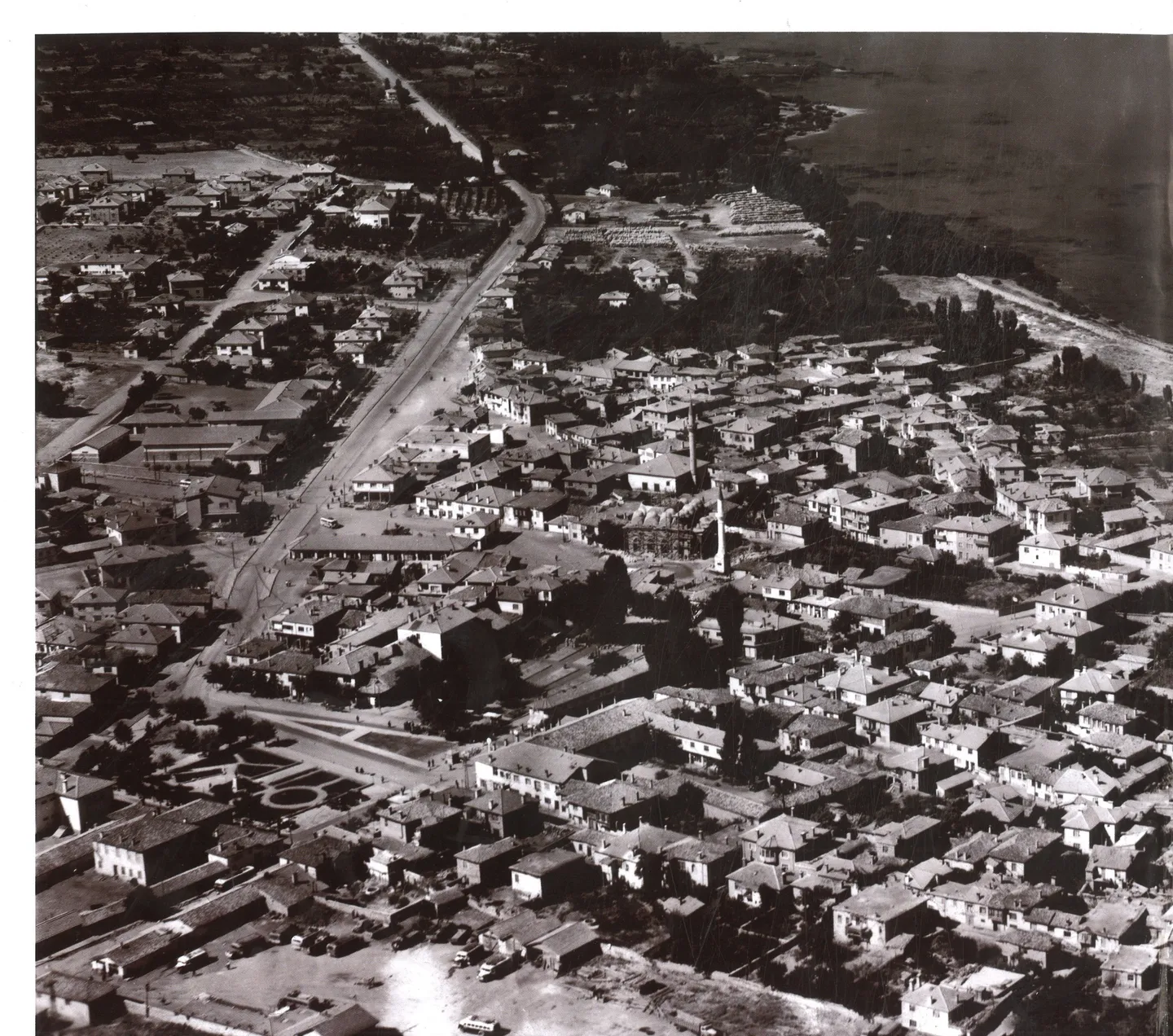
A closer look
İbrahim Kunt, Hüseyin Muşmal and Mustafa Çetinaslan study five sandukas associated with İsmail Ağa's period. Their inscriptions and carved stonework provide evidence for fourteenth-century Beyşehir alongside its buildings.
A sanduka is a tomb chest or funerary monument, not automatically a Roman sarcophagus still standing over its original burial. Location is important: the study records examples in Vuslat Park, towards Sevgi Island and in the Yarım Türbe within the Eşrefoğlu complex. It does not place all five inside the medrese, and an account of the period should preserve that distinction.
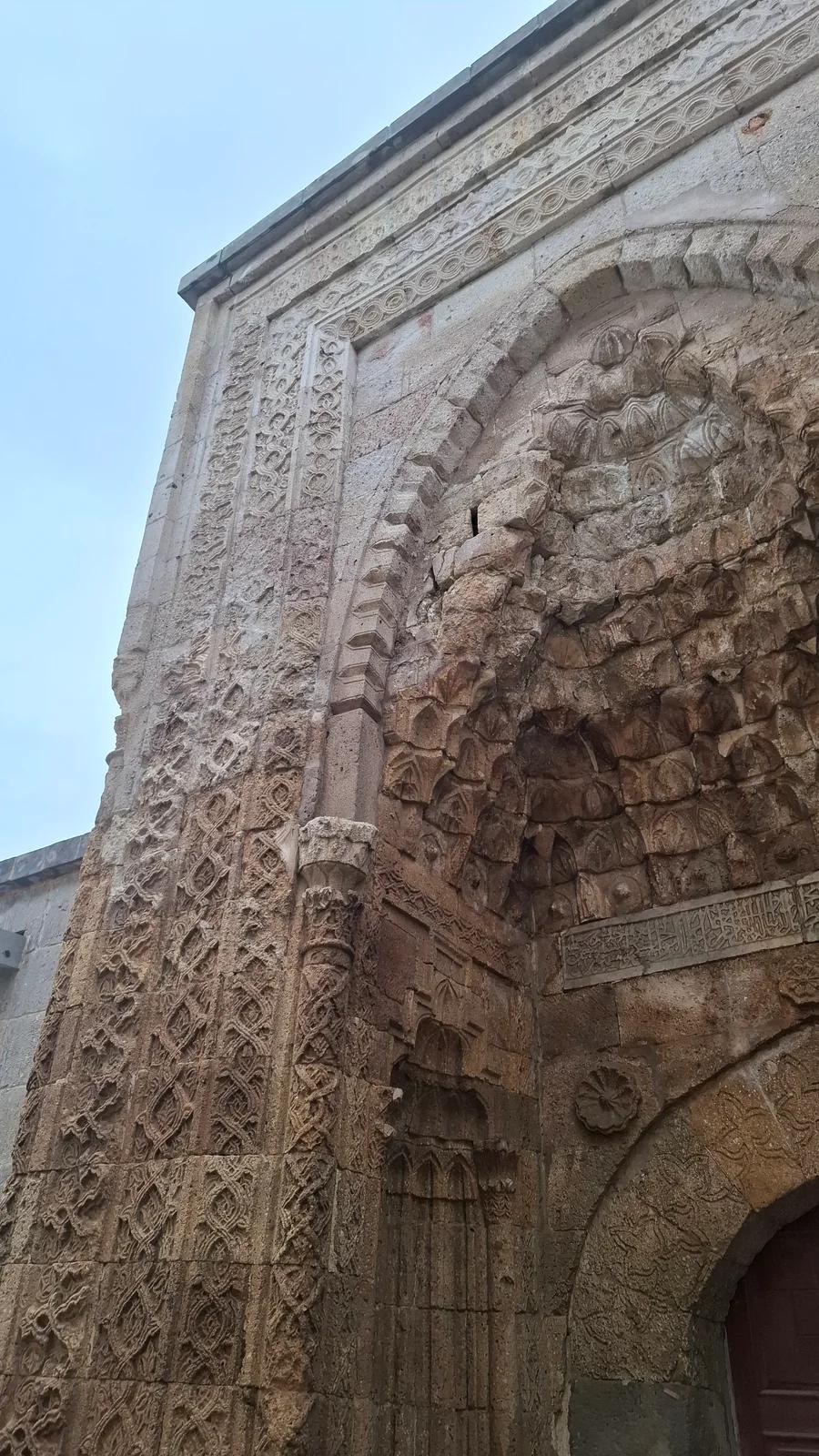
Details and connections
The researchers discuss Arabic identity and death-date texts at the ends and Persian writing along the sides. Looking at only one face therefore gives an incomplete account. Form, script and language all contribute to meaning. They also distinguish securely established original locations from proposed associations with religious institutions. A plausible association remains a proposal when academic work is adapted for visitors.
Read about the medrese alongside the individual monuments. The study records their situation when the research took place, rather than today's display inventory. Confirm local access and compare inscriptions with published records without wetting, rubbing or touching the stone.
Reading the wider setting
Look at the stone's whole form before reading its inscription. Label photographs of different faces so their relationship to one monument is clear, including where each text appears.
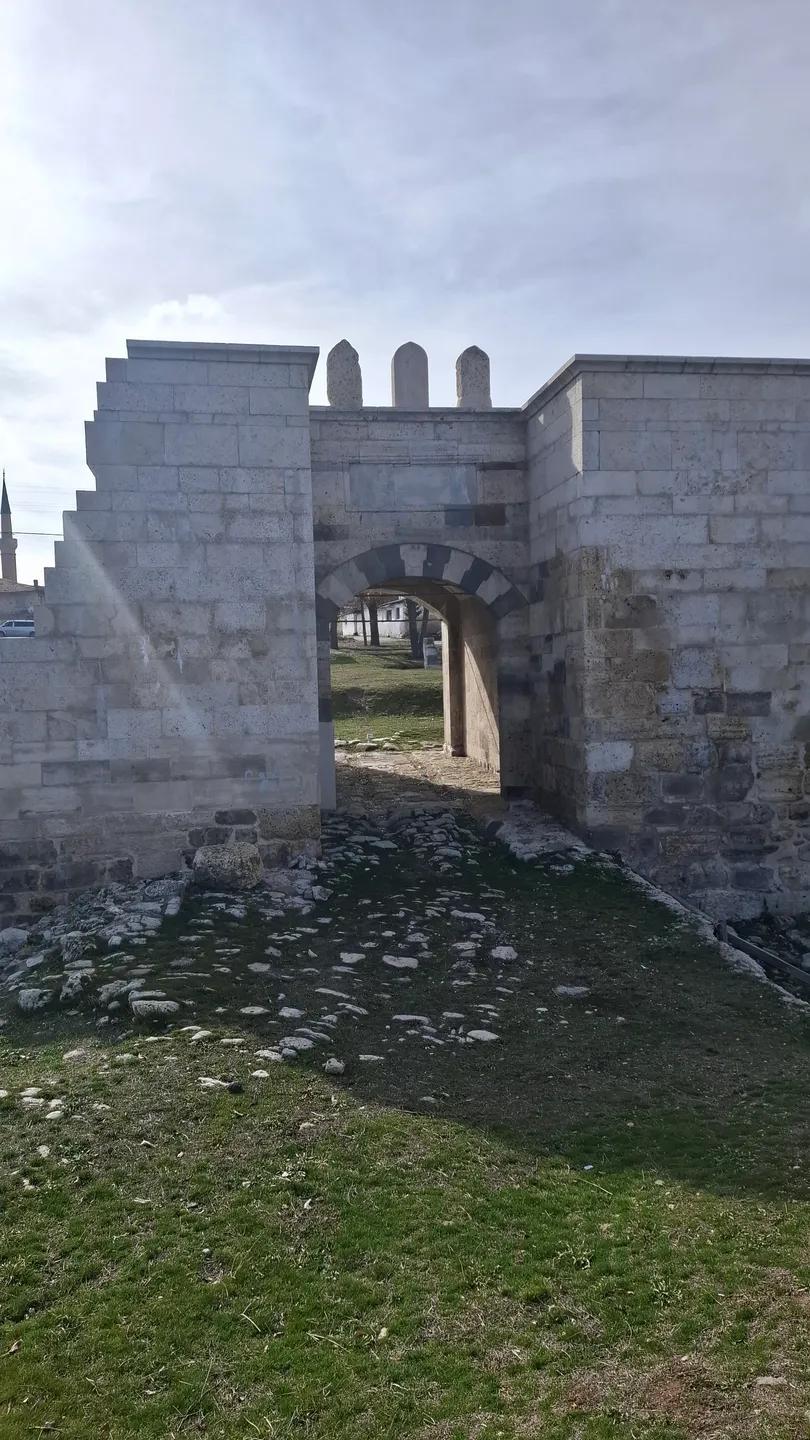
Names and dates introduce individual lives into a town history often told through rulers and buildings. Notice what the published study can establish from the inscription and where biography remains incomplete. A short recorded text can be historically valuable without supplying a continuous narrative of a person's life.
Continue your visit
Compare the languages and kinds of wording discussed in the research. Identification, date and a commemorative passage may serve different purposes within the same object. Reading them as one undifferentiated block of decoration would miss how text organises remembrance as well as the surface of the stone.
Chechen and Ingush migration and Ares and Lukyanos offer comparisons with memorials from other periods. Follow each inscription's location, language and recorded context without merging the different histories.