A closer look
Fourteenth-century Beyşehir can be approached through words preserved on funerary monuments as well as standing buildings. İbrahim Kunt, Hüseyin Muşmal and Mustafa Çetinaslan study five sandukas associated with İsmail Ağa’s period, bringing history, language and the close examination of carved stone together.
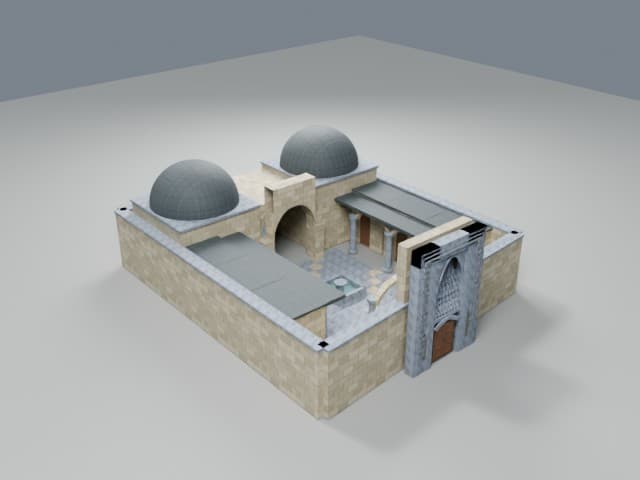
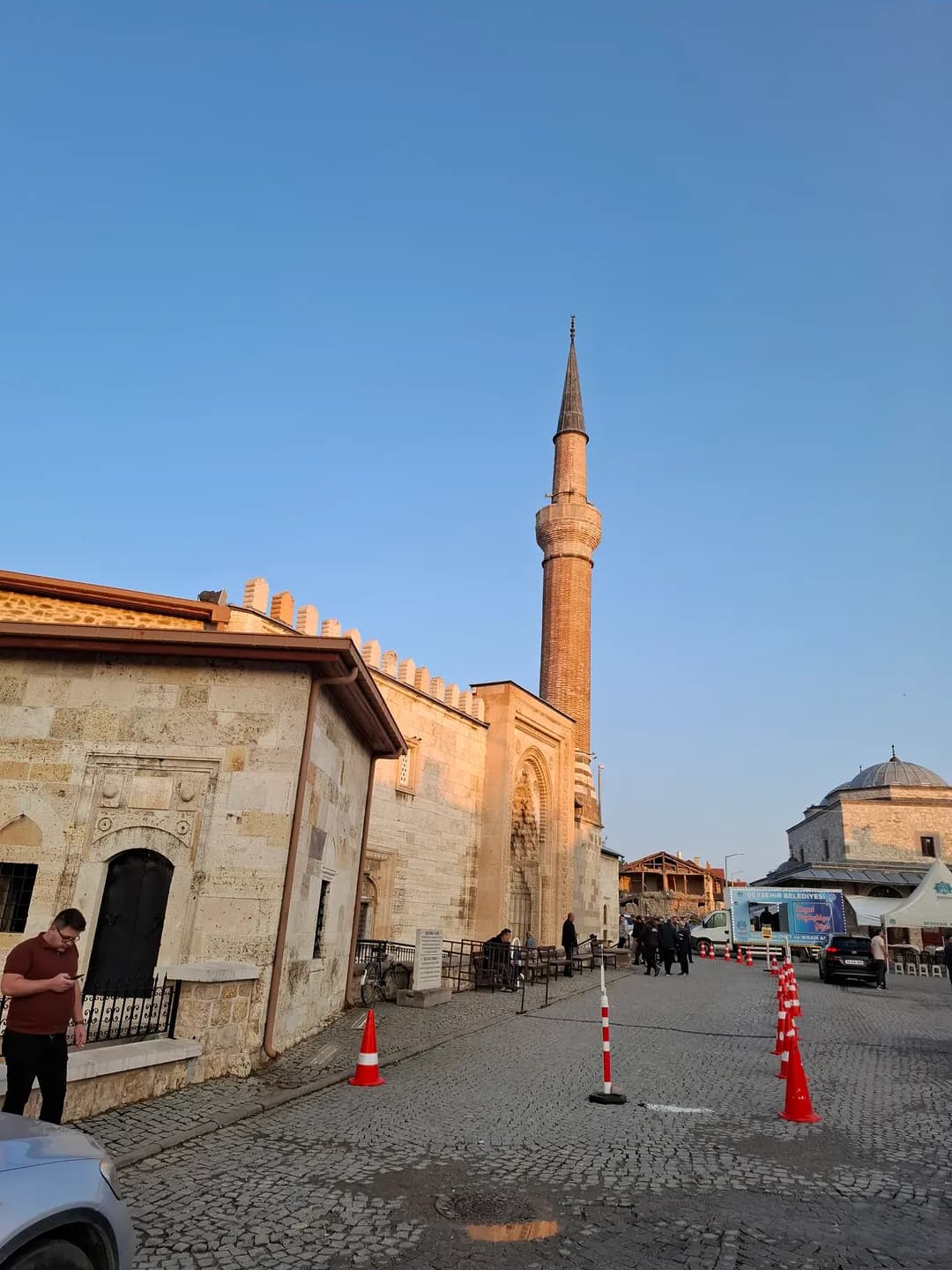
A sanduka is a tomb chest or funerary monument, not automatically a Roman sarcophagus still standing over its original burial. Location is important: the study records examples in Vuslat Park, towards Sevgi Island and in the Yarım Türbe within the Eşrefoğlu complex. It does not place all five inside the medrese, and an account of the period should preserve that distinction.
Details and connections
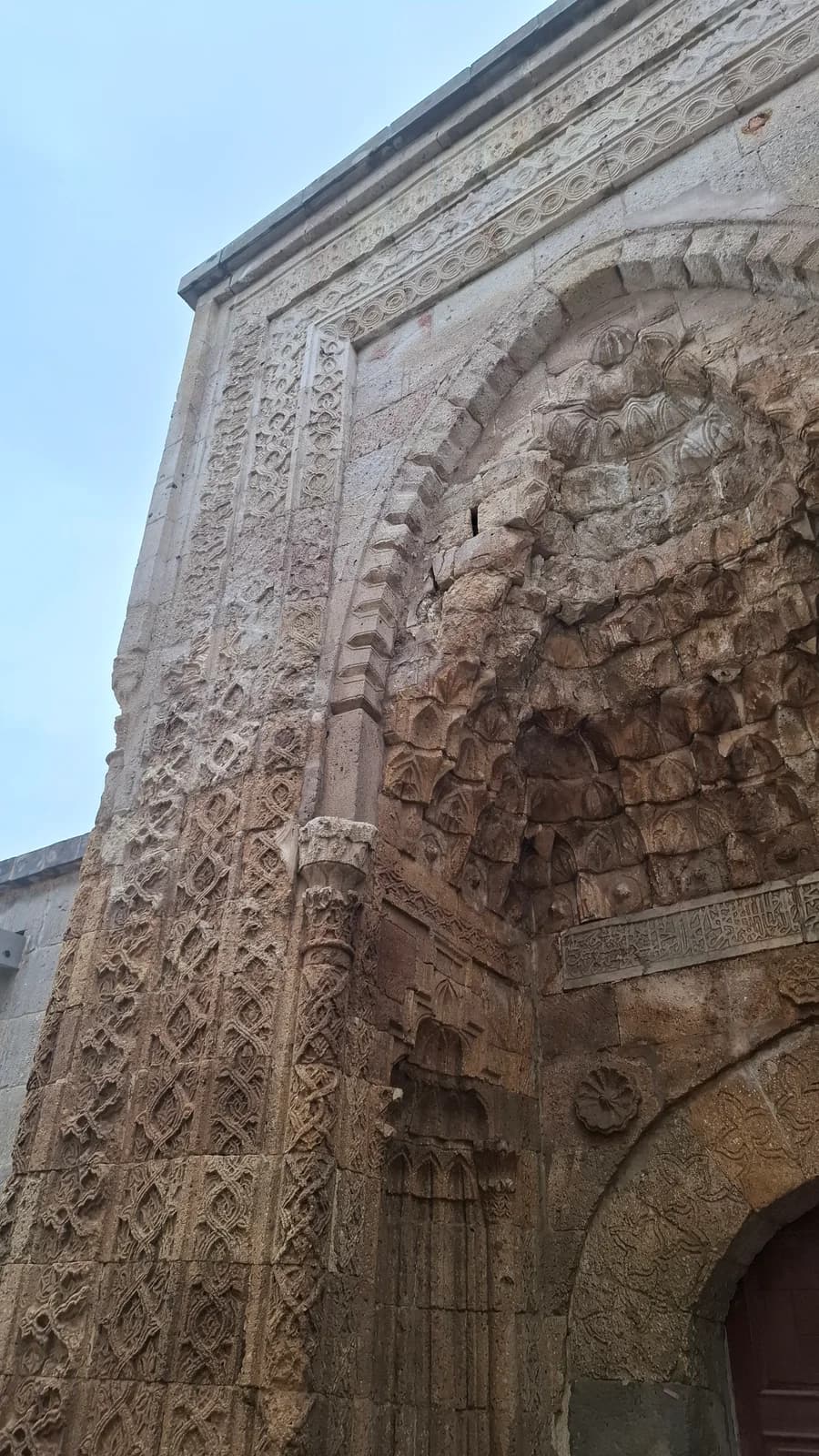
The researchers discuss Arabic identity and death-date texts at the ends and Persian writing along the sides. Looking at only one face therefore gives an incomplete account. Form, script and language all contribute to meaning. They also distinguish securely established original locations from proposed associations with religious institutions. A plausible association remains a proposal when academic work is adapted for visitors.
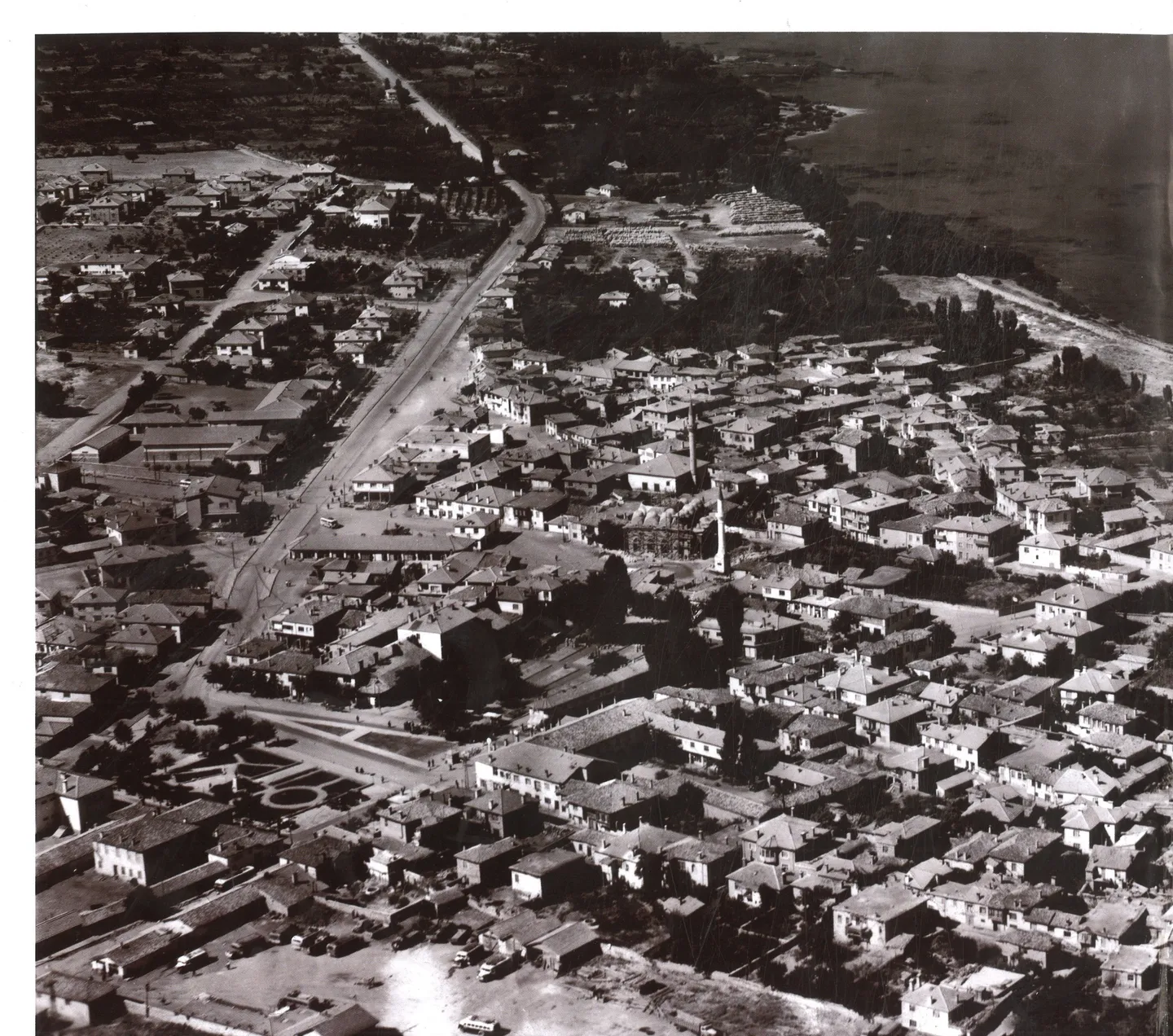
Use the medrese as part of the wider historical setting while keeping individual monuments separate. The study records the situation at the time of research, not a current display inventory. Follow local access information and never wet, rub or touch an inscription to improve visibility. Comparison with published documentation is more useful, preserving both the stone and the limits of what can be read.
Reading the wider setting
Begin a commemorative stone with its overall form before attempting the writing. A surface belongs to an object with sides, ends and a position in a wider setting. Photographs of separate faces can help explain that arrangement, but should be labelled so the reader knows when several images show one monument.
Names and dates introduce individual lives into a town history often told through rulers and buildings. Notice what the published study can establish from the inscription and where biography remains incomplete. A short recorded text can be historically valuable without supplying a continuous narrative of a person's life.
Continue your visit
Compare the languages and kinds of wording discussed in the research. Identification, date and a commemorative passage may serve different purposes within the same object. Reading them as one undifferentiated block of decoration would miss how text organises remembrance as well as the surface of the stone.
Chechen and Ingush migration offers another account built from recorded memorials, in a different historical context. Ares and Lukyanos extends the comparison to classical inscription. Together these readings show why an inscription's place, language and documented recording matter as much as the fact that words survive on stone.