An island with several names
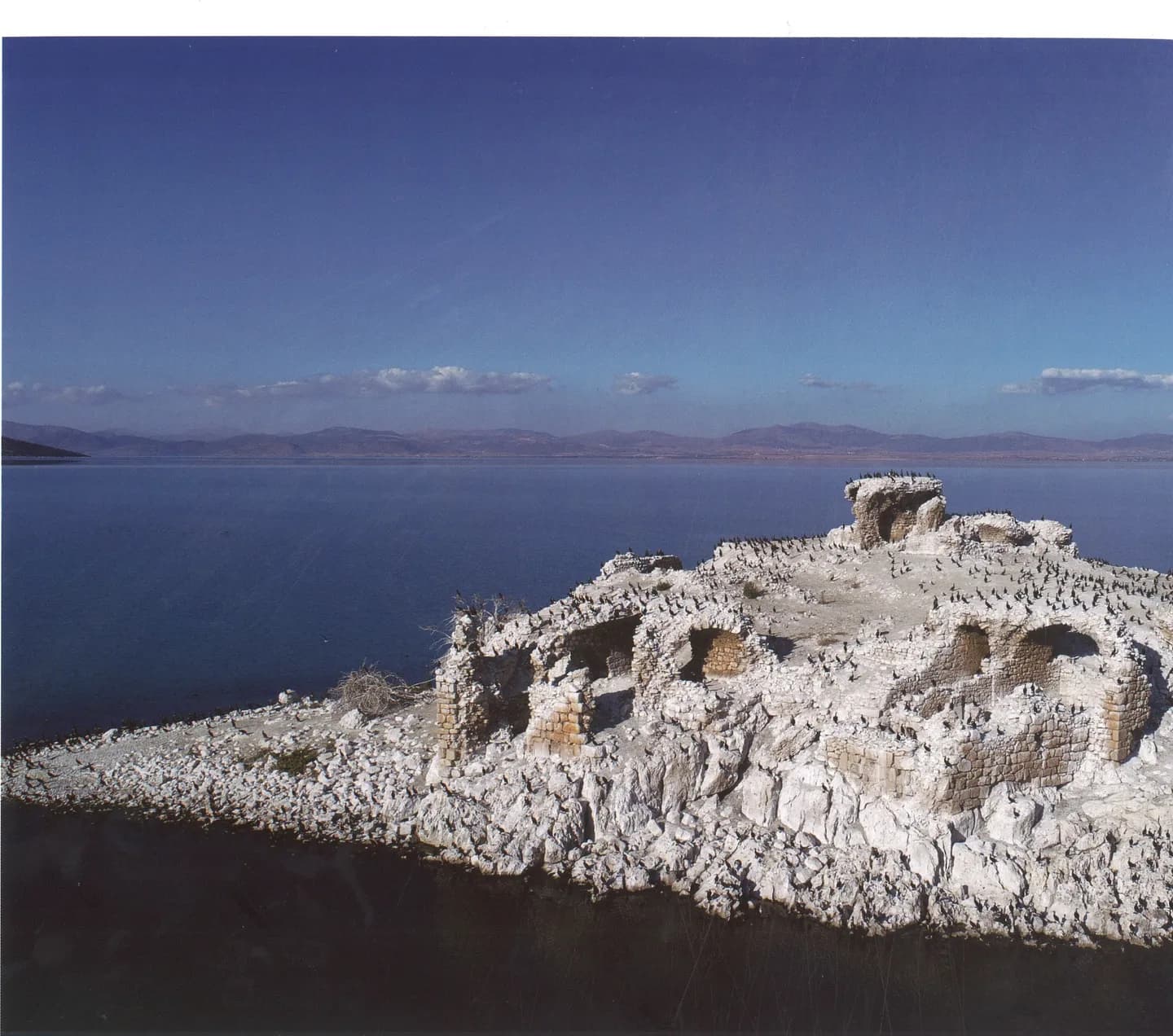
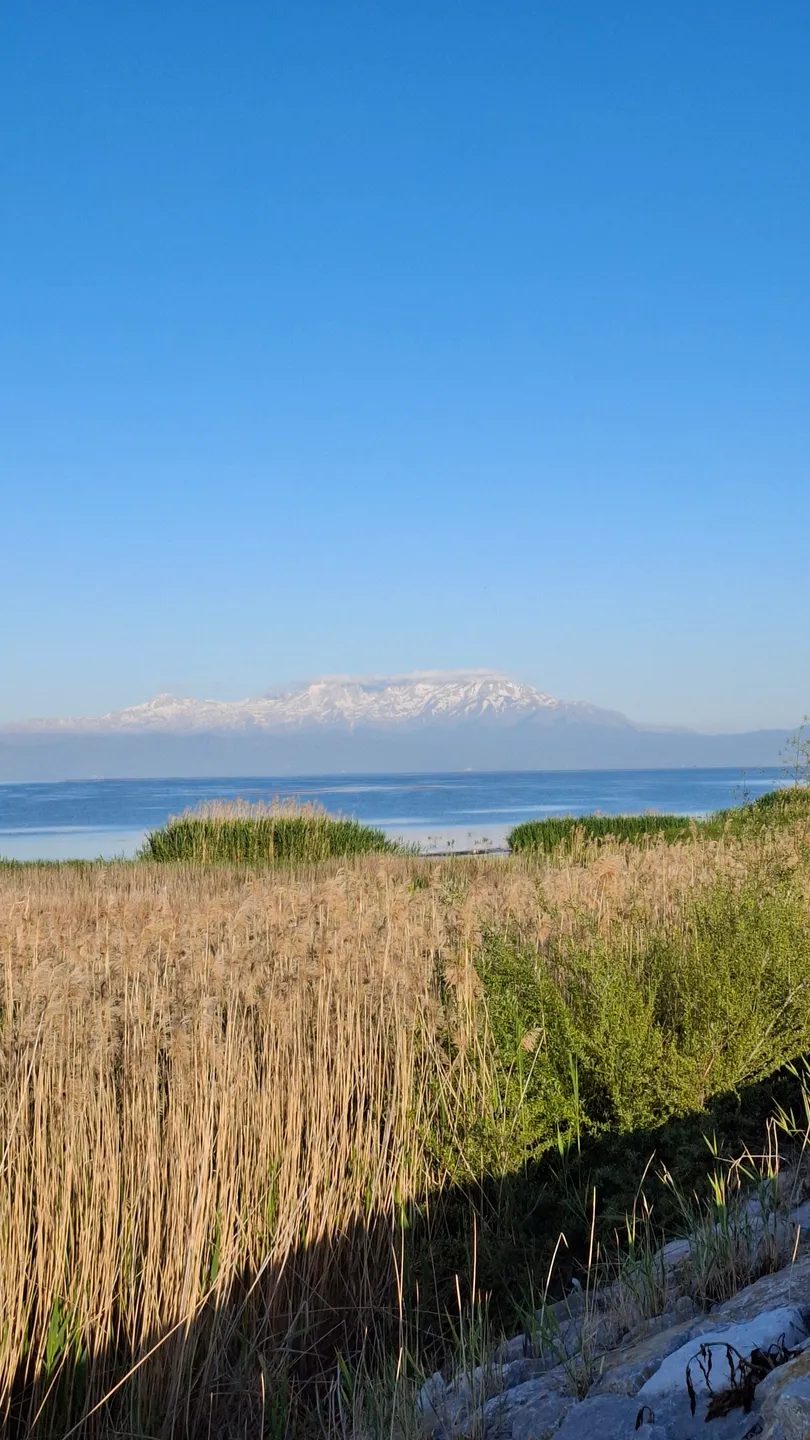
Mada, Kazak and Kumluca are names attached to the same inhabited island in the northern part of Lake Beyşehir. Each opens a different historical perspective: an older place-name, the memory of Don Cossack settlement, and the sandy shoreline associated with Kumluca. The island lies near Gedikli and belongs administratively to Şarkikaraağaç in Isparta. Lake geography connects it with Beyşehir, but the town’s name should not obscure that different administrative setting.
The island’s human history began long before the Cossacks. Hüseyin Muşmal’s 2024 settlement study draws on Ottoman registers, earlier scholarship and accounts of island life. A register from 1507 records both Muslim and non-Muslim households. Those categories describe the administration’s entries at that date, not an unchanging population across the following centuries. Fresh water, cultivable ground, grazing and access to fish help explain why successive communities sought a livelihood here.
The Don Cossack connection
The word Kazak requires translation with care. In this story it means Don Cossack, not a person from modern Kazakhstan. The migrants were part of the wider Cossack movements through the Ottoman world, including the Old Believer and Nekrasov histories studied around Lake Manyas. Old Believers preserved earlier Russian Orthodox rites after seventeenth-century church reforms; the Nekrasov name recalls the leader followed by Cossacks who left the Don region after the conflicts of 1708. Religious practice, political conflict and community autonomy all shaped those journeys. The Chechen families later associated with Mada belonged to a different migration history; proximity on a map does not make them one people.
The local chronology centres on the mid-1860s. The Ministry of Culture and Tourism describes the settlement of 30–40 Don Cossack households in 1866. The 2024 study also discusses an account of a journey from Manyas in 1865, while other scholarship places settlement in the winter of 1866–1867. These accounts should not be compressed into a falsely exact arrival date or treated as identical headcounts. Together they establish a movement from the Manyas community towards the Beyşehir lake basin.
Arriving and working on the lake
The journey account includes livestock, carts and young fruit trees among the belongings carried south. Such details change the image of migration: people were transporting the means to establish a household and a working landscape. Mada offered fresh water and land alongside access to the lake. Settlement nevertheless depended on links beyond the shore, because tools, trade, official decisions and family connections could not all be supplied within an island community.
Fishing occupies a prominent place in both the official account and the historical research. Large wooden boats known as karakayık form part of the remembered material culture of Cossack fishing on these lakes. Their significance lies in the relationship between craft, fishing knowledge and transport. This does not mean fishing began on Lake Beyşehir with one incoming group. It identifies a contribution within a much longer history of people making their living from the water.
Departures and later settlement
Island life combined several activities. Agricultural plots, animals, boats and landing places belonged to a connected working environment, rather than separate picturesque scenes. A calm view across the water can conceal the effort of transporting provisions or taking produce to market. Historical descriptions of weather, disease and economic difficulty remind us that the same lake could provide resources and complicate daily life. The island’s history is therefore also a history of dependence on the surrounding shore.
The Cossack population did not remain unchanged. Research describes illness, returns to Manyas and movement towards the Akşehir area; by the 1920s the island community’s circumstances had altered substantially. Some Cossacks continued to fish on Lake Beyşehir after relocating. The well-known departure from Manyas in 1962 belongs to that other community’s later history and should not be used as a blanket date for the end of Cossack settlement on Mada.
Separating names, ruins and memories
Later accounts record Chechen families on the island, followed by Yörük settlement, including families identified as Tırtar. The 2024 study describes changes of residence and landholding in the 1930s and subsequent settlement. These episodes belong together in a history of the island, but not in a single ethnic origin story. The accompanying article Chechens and Ingush in Beyşehir: Hamidiye’s Memory follows the better-documented town settlement and its cemetery evidence.
Names and ruins need the same care. Nearby Kirse or Kilise Island is a separate place, and historical interpretations of its remains are not unanimous. It should not be silently merged with Mada or with the better-known Kız Kalesi site elsewhere on the lake. Nor does the name Kazak prove the age or use of every surviving wall. Archaeology, travel accounts and oral traditions can illuminate one another without being interchangeable forms of evidence.
An inhabited island today
Mada is also a place where people live and work. Its homes, fields and waterfront spaces are not an open-air set left behind by a vanished community. Any visit depends on current local arrangements, weather and permission where land is private; the historical use of boats does not establish a scheduled passenger service. This article is cultural reading, not a verified island walking route, and it makes no recommendation to cross frozen water.
Read the wider lake article alongside this history to connect settlement with shorelines and transport. Water and City: Beyşehir’s Waterfront History then shifts attention to the town outlet and its irrigation works, while the palace article introduces a very different form of lakeside occupation. Together these stories show why an island cannot be understood from one label alone: inhabitants, livelihoods and connections changed, while the lake remained the shared setting for those changes.