
A closer look
Huğlu and Üzümlü introduce the relationship between local skill, organised production and industrial change. Their history is often represented by an individual craftsperson, but the cooperative, workshop and wider economy also belong in the picture. A finished object carries more than its visible decoration: it is the result of people, tools and organisation.
The cooperative’s account describes its development, while research on Huğlu’s cooperative considers its organisation from another perspective. These source types serve different purposes. An institution explains its history and ambitions; a researcher may examine investment, labour and collective production. Reading them together prevents a promotional description from becoming the only account of the place.
Details and connections
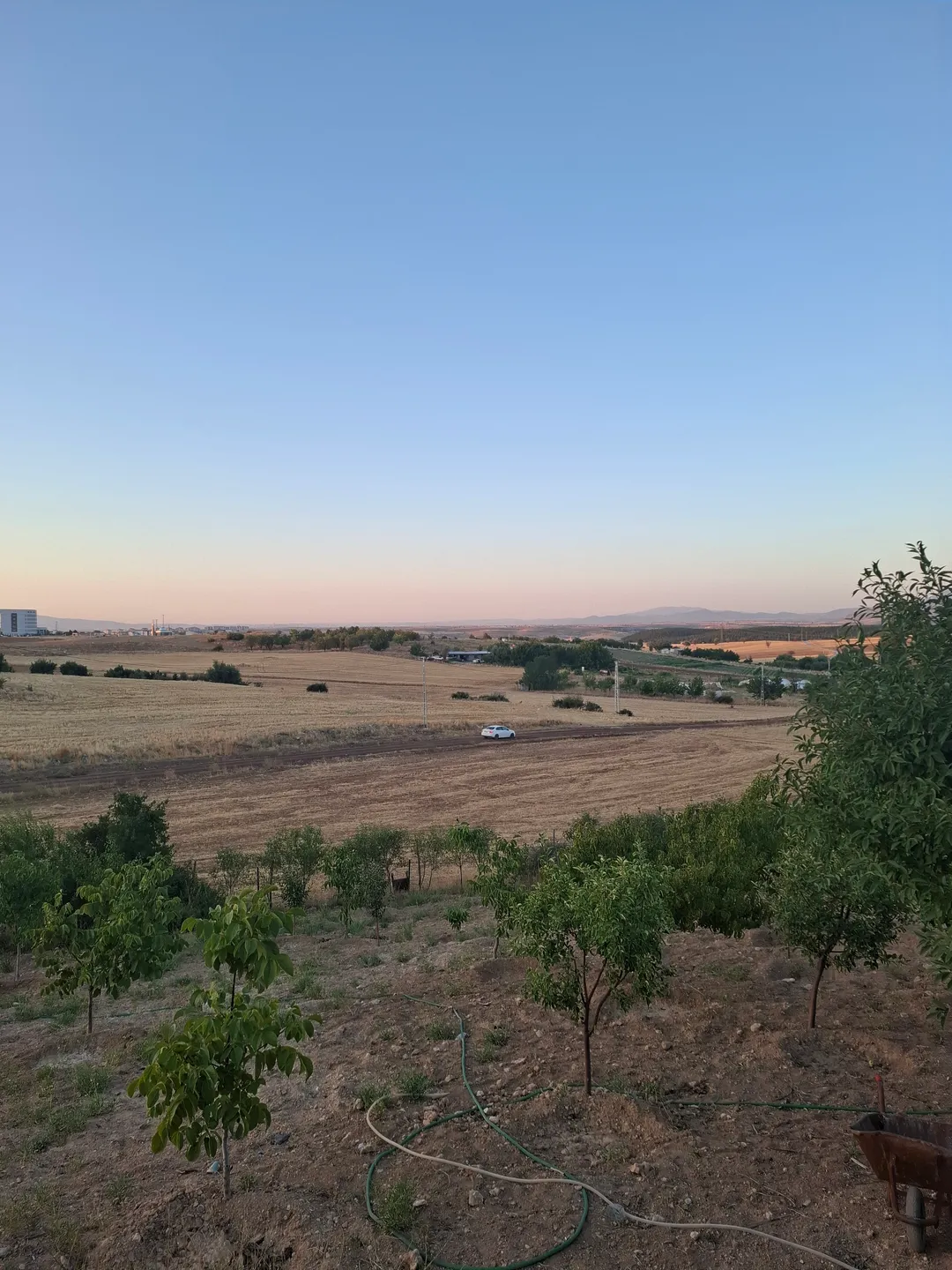
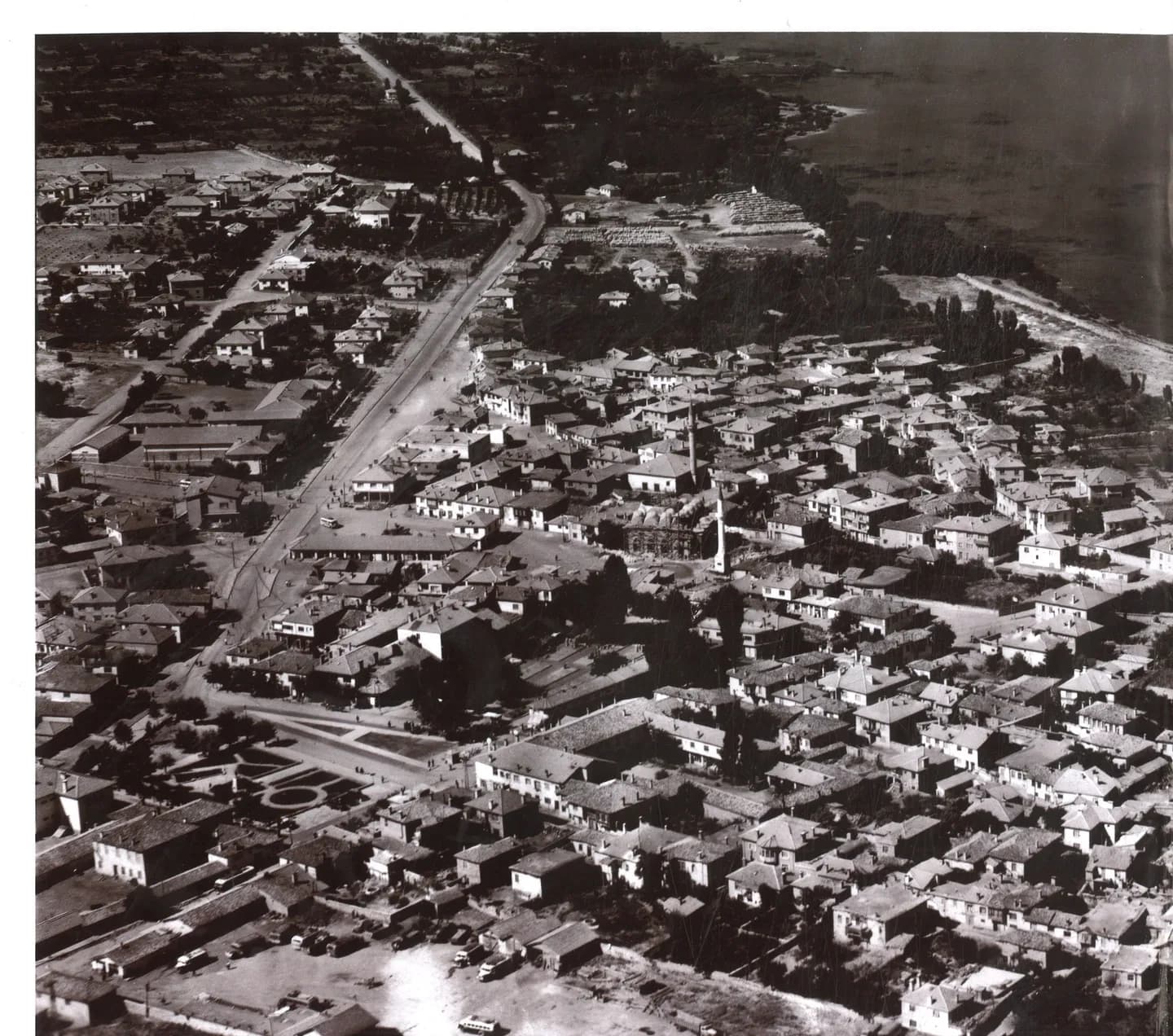
Handwork and industrial manufacture are not necessarily opposites. Finishing and specialist judgement can coexist with machinery. The interesting question is how skills are learned and maintained as production changes. A detailed answer needs recorded testimony or an authorised demonstration, not assumptions drawn from an unidentified workbench photograph. The landscape images here give regional context without claiming to show a particular factory or worker.
Arrange any workshop visit directly with the host, agreeing the time, areas to visit and photography permission. Ask about the story of a finished object and the people involved in making it. Follow the choices that turn material into a product: design, preparation, finishing and inspection. These details connect a visit to the social history of making and give local skill a precise, human setting.
Reading the wider setting
Look for the stages through which an object passes rather than treating a workshop as a single picturesque scene. Design, preparation, finishing and inspection involve different decisions. An authorised demonstration can make those differences visible, but the maker should decide which working areas and details may be shown.
The cooperative adds an organisational scale to an individual craft story. Read its history alongside an account from a particular worker or workshop and notice where the emphasis changes. A formal institutional chronology and a personal description of learning are complementary, rather than competing versions of the same kind of evidence.
Continue your visit
Material and tools are only one part of skill. Deciding whether a surface is finished or a component needs further attention also involves judgement. Ask open questions about training and changes in work, without pressing for confidential procedures. A thoughtful conversation often explains more than a photograph of equipment.
Compare this visit with Market memory and Textile memory. The subjects differ, but all raise questions about how objects are made, exchanged and remembered. Landscape photographs locate the production centres within the region; the voices of people who work there add detail that a general view cannot provide.