
About this source
Hakkımızda - Huğlu Av Tüfekleri Kooperatifi
Huğlu Av Malzemeleri San. Tic. Ltd. Şti. · Huğlu Av Malzemeleri San. Tic. Ltd. Şti.
Read the place guides and stories that use this source.
Uses your device’s voice.
Craft in Huğlu and Üzümlü
Local labour, metalwork and industrial history.
Huğlu and Üzümlü's production history involves individual craftspeople, workshops and cooperative organisation. Follow how local skills, tools and the wider economy have changed together.
The cooperative’s account describes its development, while research on Huğlu’s cooperative considers its organisation from another perspective. These source types serve different purposes. An institution explains its history and ambitions; a researcher may examine investment, labour and collective production. Reading them together prevents a promotional description from becoming the only account of the place.
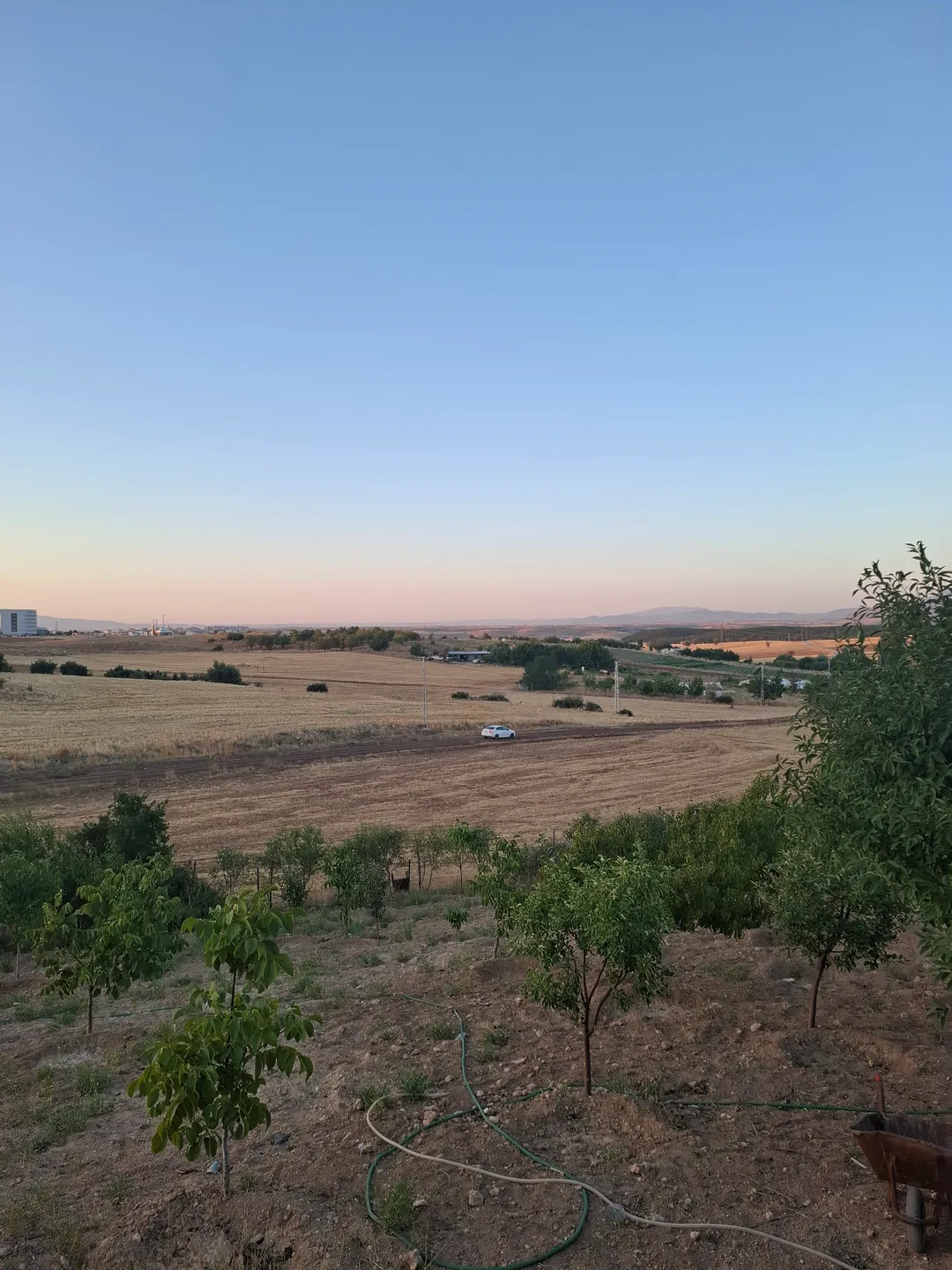
Handwork and industrial manufacture are not necessarily opposites. Finishing and specialist judgement can coexist with machinery. The interesting question is how skills are learned and maintained as production changes. A detailed answer needs recorded testimony or an authorised demonstration, not assumptions drawn from an unidentified workbench photograph. The landscape images here give regional context without claiming to show a particular factory or worker.
Arrange a workshop visit with the host, agreeing on the time, areas you may see and photography permission. Ask who makes the object and how it moves through design, preparation, finishing and inspection.
Ask how an object moves through design, preparation, finishing and inspection. For an authorised demonstration, let the maker choose which working areas and details to show around the workshop's daily routine.
The cooperative adds an organisational scale to an individual craft story. Read its history alongside an account from a particular worker or workshop and notice where the emphasis changes. A formal institutional chronology and a personal description of learning are complementary, rather than competing versions of the same kind of evidence.
Material and tools are only one part of skill. Deciding whether a surface is finished or a component needs further attention also involves judgement. Ask open questions about training and changes in work, without pressing for confidential procedures. A thoughtful conversation often explains more than a photograph of equipment.
Market memory and Textile memory cover other objects and ways of working. Landscape photographs locate the production centres; accounts from workers explain details that the wider view cannot show.
Arrange permission for workshop visits, interviews and photographs.
Huğlu and Üzümlü Craft Towns
Metalworking that grew from gun repair after World War I into cooperative production and international trade.
Huğlu and Üzümlü's production history involves individual craftspeople, workshops and cooperative organisation. Follow how local skills, tools and the wider economy have changed together.
The cooperative’s account describes its development, while research on Huğlu’s cooperative considers its organisation from another perspective. These source types serve different purposes. An institution explains its history and ambitions; a researcher may examine investment, labour and collective production. Reading them together prevents a promotional description from becoming the only account of the place.
Handwork and industrial manufacture are not necessarily opposites. Finishing and specialist judgement can coexist with machinery. The interesting question is how skills are learned and maintained as production changes. A detailed answer needs recorded testimony or an authorised demonstration, not assumptions drawn from an unidentified workbench photograph. The landscape images here give regional context without claiming to show a particular factory or worker.
Arrange a workshop visit with the host, agreeing on the time, areas you may see and photography permission. Ask who makes the object and how it moves through design, preparation, finishing and inspection.
Ask how an object moves through design, preparation, finishing and inspection. For an authorised demonstration, let the maker choose which working areas and details to show around the workshop's daily routine.
The cooperative adds an organisational scale to an individual craft story. Read its history alongside an account from a particular worker or workshop and notice where the emphasis changes. A formal institutional chronology and a personal description of learning are complementary, rather than competing versions of the same kind of evidence.
Material and tools are only one part of skill. Deciding whether a surface is finished or a component needs further attention also involves judgement. Ask open questions about training and changes in work, without pressing for confidential procedures. A thoughtful conversation often explains more than a photograph of equipment.
Market memory and Textile memory cover other objects and ways of working. Landscape photographs locate the production centres; accounts from workers explain details that the wider view cannot show.
Artisans of Huğlu and Üzümlü
The rise of gold inlay and engraving craftsmanship in Taurus mountain villages.
Huğlu and Üzümlü's production history involves individual craftspeople, workshops and cooperative organisation. Follow how local skills, tools and the wider economy have changed together.
The cooperative’s account describes its development, while research on Huğlu’s cooperative considers its organisation from another perspective. These source types serve different purposes. An institution explains its history and ambitions; a researcher may examine investment, labour and collective production. Reading them together prevents a promotional description from becoming the only account of the place.
Handwork and industrial manufacture are not necessarily opposites. Finishing and specialist judgement can coexist with machinery. The interesting question is how skills are learned and maintained as production changes. A detailed answer needs recorded testimony or an authorised demonstration, not assumptions drawn from an unidentified workbench photograph. The landscape images here give regional context without claiming to show a particular factory or worker.
Arrange a workshop visit with the host, agreeing on the time, areas you may see and photography permission. Ask who makes the object and how it moves through design, preparation, finishing and inspection.
Ask how an object moves through design, preparation, finishing and inspection. For an authorised demonstration, let the maker choose which working areas and details to show around the workshop's daily routine.
The cooperative adds an organisational scale to an individual craft story. Read its history alongside an account from a particular worker or workshop and notice where the emphasis changes. A formal institutional chronology and a personal description of learning are complementary, rather than competing versions of the same kind of evidence.
Material and tools are only one part of skill. Deciding whether a surface is finished or a component needs further attention also involves judgement. Ask open questions about training and changes in work, without pressing for confidential procedures. A thoughtful conversation often explains more than a photograph of equipment.
Market memory and Textile memory cover other objects and ways of working. Landscape photographs locate the production centres; accounts from workers explain details that the wider view cannot show.
Related places