A closer look
At Fasıllar, scale is impossible to ignore. An image worked into one substantial stone raises questions about planning, carving and placement. These are the starting points for a visit, rather than questions that a dramatic caption can settle. The relationship between the object and the ground is as important as an isolated view of a carved figure.
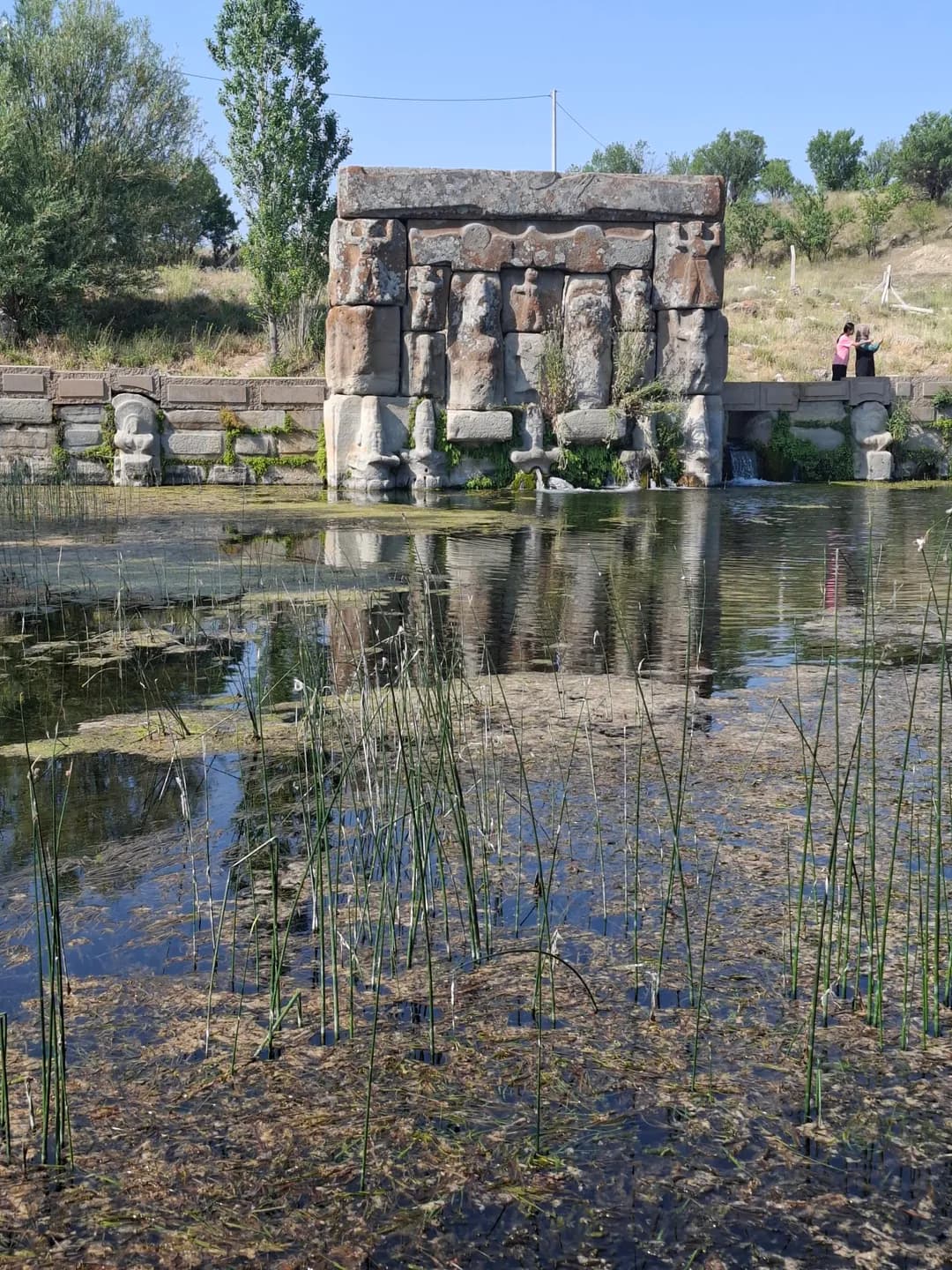
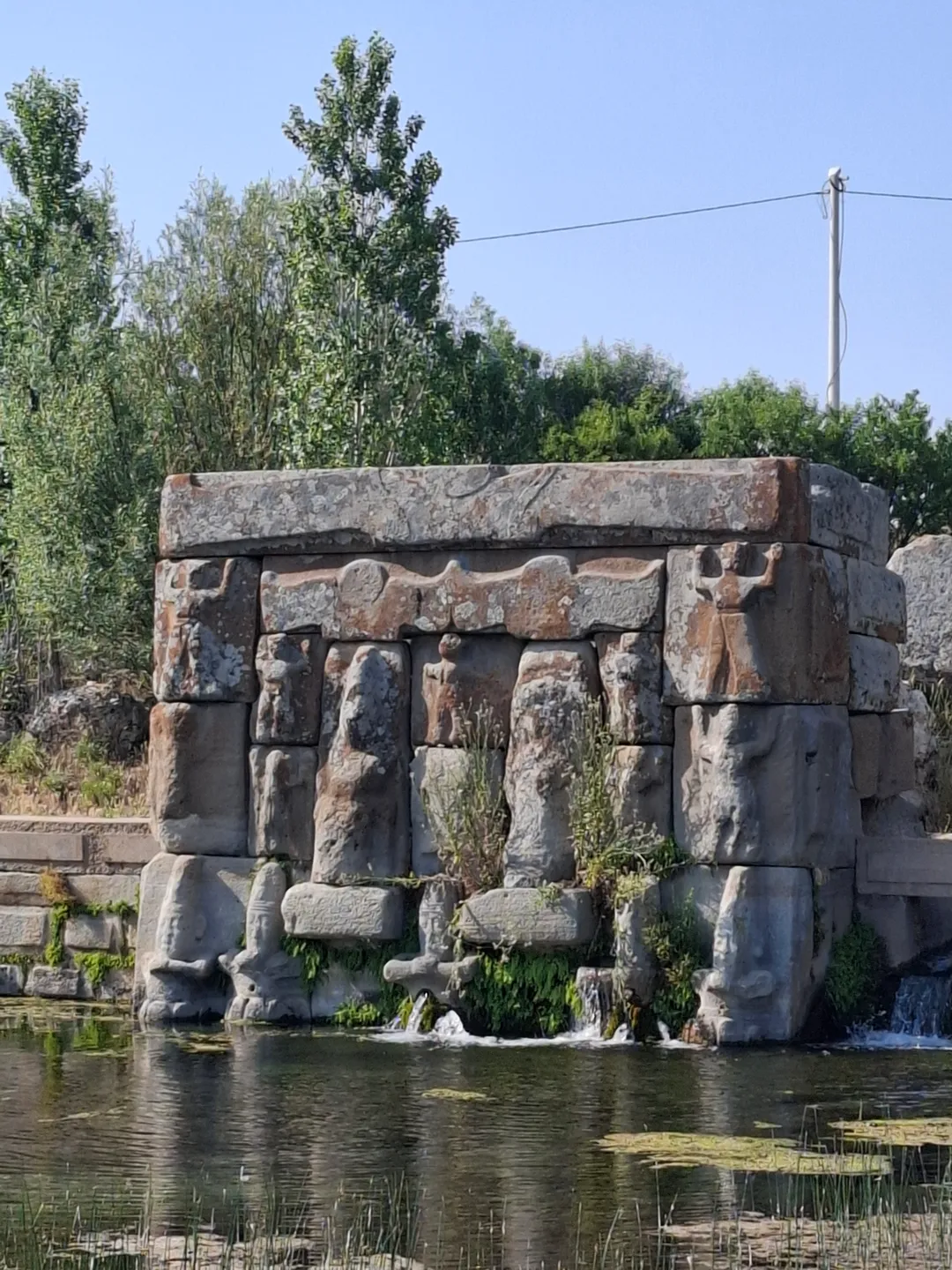
Municipal accounts place the monument within Hittite heritage. Its visual language connects it with a wider tradition, while it remains a particular object in a particular setting. Begin with the whole form before separating elements of its composition. A comparison with Eflatunpınar reveals differences between a monolith and a structure assembled from blocks beside water.
Details and connections
Accounts sometimes propose a connection with another site or an intended transport. Those proposals are interpretations, not eyewitness records of a failed operation. The reason an object stayed in one place, its proposed destination and its original function need specific evidence. Size alone does not supply all those answers.
Leave time to study the surrounding setting without climbing the monument. Nearby classical heritage belongs to another historical chapter and needs separate labels. Contextual images from other sites are named accordingly, never presented as photographs of this object. A good regional journey is a sequence of distinct places with published evidence and open questions, rather than a blur of ancient dates and borrowed descriptions.
Reading the wider setting
From a suitable viewing position, let the stone's outline guide your first look. Separate the outer mass from the carved composition and then bring them back together. This makes it easier to see how the image occupies the available surface rather than imagining the relief as an independent object.
Compare a wide photograph with a detail taken from the same permitted area. The wide view preserves scale and terrain; the detail makes an individual contour easier to study. Keep both, because an impressive close-up can otherwise erase the physical relationship that first caught your attention.
Continue your visit
The comparison with Eflatunpınar is most useful when it begins with things you can identify: one large stone, multiple joined blocks, a hillside setting and a spring pool. These observations provide a clear foundation for reading specialist interpretations without confusing an attractive proposal with an established construction sequence.
Ares and Lukyanos introduces a different historical layer in the wider district. Reading stone brings the regional comparisons together, while Heritage layers supplies a longer chronology. Allow those connections to widen the visit, but give each monument its own caption, evidence and place in your notes.